

In the medical field, detection ofHelicobacter pylori(HP) primarily relies on four indicators: CAGA, VACA, urease A, and urease B. Meanwhile, antibiotic therapy remains the mainstay for treatment. In China, some researchers have initiated preliminary studies on drug development strategies targetingHelicobacter pyloriusing nanobodies.
In the realm of infection detection targetingHelicobacter pylori(HP), researchers at Qinghai University utilized a natural nanobody library to screen and identify high-affinity nanobodies against HP-associated proteins urease-B and CagA. These nanobodies, namely CagANb1, UreNb6, and UreNb9, demonstrated specific binding and high affinity to their target proteins[1]. Conversely, researchers at the School of Life Sciences, Nanchang University, discovered six unique nanobodies targeting the VacA cytotoxin through targeted detection studies. Among these, nanobody HV2-36 exhibited an inhibition rate of 31.13% at a concentration of 30 μg/ml[2].
Additionally, researchers at Tianjin University of Science and Technology developed a recombinant nanobody (Ab) specifically targeting the Hp urease subunit (UreB) using genetic engineering expression systems. They explored its expression in probiotics and found that the antibodies obtained through unidirectional immune diffusion could effectively bind to the UreB antigen. The activity assay results showed that Ab expressed inEscherichia coli(EcN) exhibited a urease inhibition rate of 67.4%, while that expressed inLactobacillusexhibited a rate of 85.7%. These findings suggest their potential as an oral probiotic delivery system forHelicobacter pyloriantibodies[3].
The aforementioned nanobodies not only bind to surface antigens ofHelicobacter pylori, antagonizing bacterial adhesion to host cells[4], but also exhibit antibacterial effects by counteracting bacterial invasion-related virulence factors[5]. Moreover, urease-B nanobodies effectively inhibit urease activity, thereby reducingHelicobacter pyloricolonization on gastric mucosal epithelial cells[6,7].
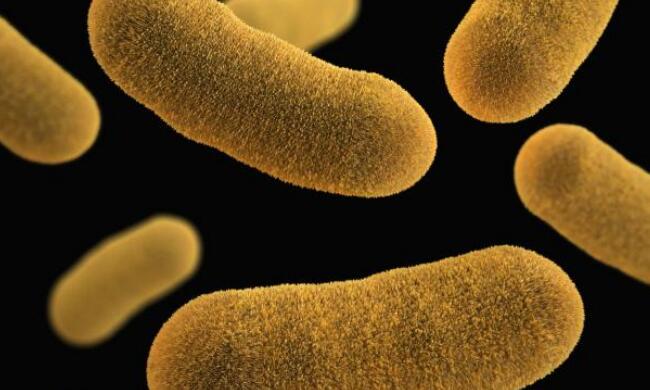
Helicobacter pylori(HP) is a spiral-shaped, microaerophilic, gram-negative pathogen primarily parasitizing the gastric mucosa of humans[8]. Infection withHelicobacter pylorican lead to various gastrointestinal diseases such as gastritis, peptic ulcers, and in severe cases, gastric cancer[9,10]. In a collaborative study on gastric cancer risk in 2021 involving research centers from the University of Oxford, Peking University, and the Chinese Academy of Medical Sciences, it was found thatHelicobacter pyloriinfection increases the risk of non-cardia gastric cancer by 6-fold and cardia gastric cancer by 3-fold.
According to the latest epidemiological data, the global prevalence ofHelicobacter pyloriinfection is over 50%, with China accounting for approximately 59%, increasing by about 1% annually. The World Health Organization categorizes it as a Group I carcinogen, as its secretion of vacuolating cytotoxin (VacA) disrupts tissue repair capability, impairs host immunity, and induces pathological changes in gastric epithelial cells, leading to diseases such as peptic ulcers, chronic gastritis, and gastric cancer.

Due to the unique living environment ofHelicobacter pylori(HP), current clinical treatment methods involve large drug doses, long durations, significant side effects, and patient intolerance. Moreover, with the overuse of antibiotics in China, the prevalence of HP resistance has sharply increased, resulting in diminishing treatment efficacy. Consequently, China faces a considerable burden of HP infection resistance.
At present, there is an urgent need for an effective, low-resistance, and convenient drug treatment regimen forHelicobacter pylori. Nanobo Life Sciences anticipates and believes that in the near future, an effective therapeutic drug based on nanobodies will be introduced to address HP infection and prevent gastritis and even gastric cancer, thereby reducing their incidence.
NBLST specializes in the modification and application of nanobodies. Independently developed nanobodies such as Pepsinogen I and Pepsinogen II are applicable for the development of IVD target reagents for diseases such as gastric cancer. Nanobo Life Sciences is dedicated to providing more professional and cost-effective experimental services for research institutions, pharmaceutical companies, industrial enterprises, and innovative teams. Feel free to contact us for inquiries.
References:
[1] 李润乐, 胥瑾, 汤锋, 等. 一种用于幽门螺旋杆菌分型检测纳米抗体的制备及应用: CN202211296143.2 [P]. CN115960222A [2024-03-13].
[2] 刘晓芳, 刘琼, 黄云祥, 等. 抗幽门螺杆菌细胞空泡毒素纳米抗体的制备及鉴定[J]. 2022.
[3] 赵阳. 抗幽门螺杆菌纳米抗体的基因工程表达及其益生菌口服给药系统研究[D]. 天津科技大学, 2022. DOI: 10.27359/d.cnki.gtqgu.2022.000395.
[4] Moonens, K., Imke V D B., Okello, E., et al. Structural insight in the inhibition of adherence of F4 fimbriae producing enterotoxigenic Escherichia coli by llama single domain antibodies[J]. Veterinary Research. 2015, 46(1): 14.
[5] Baghban, R., Gargari, S. L. M., Rajabibazl, M., et al. Camelid-derived heavy-chain nanobody against Clostridium botulinum neurotoxin E in Pichia pastoris[J]. Biotechnology and Applied Biochemistry. 2016, 63(2): 200-205.
[6] Ardekani, L. S., Gargari, S. L., Rasooli, I., et al. A novel nanobody against urease activity of Helicobacter pylori[J]. International Journal of Infectious Diseases. 2013, 17(9): e723-e728.
[7] Shahrbanoo, P., Latif, M. G. S., Masoumeh, R., et al. Efficient production of nanobodies against urease activity of Helicobacter pylori in Pichia pastoris[J]. Turkish Journal of Medical Sciences. 2017, 47: 695-701.
[8] EUSEBI, L.H., ZAGARI, R.M., BAZZOLI, F. Epidemiology of Helicobacter pylori infection[J]. Helicobacter. 2014, 19(11): 1-5.
[9] GRAHAM, D.Y. Helicobacter pylori update: gastric cancer reliable therapy and possible benefits[J]. Gastroenterology. 2010, 148: 719-731.
[10] DUNN, B.E., CAMPBELL, G.P., PEREZ-PEREZ, G.I., BLASER, M.J. Purification and characterization of urease from Helicobacter pylori[J]. Biol Chem. 1990, 265(16): 9464-9470.