
Thanks to the development of biopharmaceuticals, the condition of most asthma patients has been effectively controlled and treated to a considerable extent. However, most biological agents are administered by injection, which cannot quickly and safely deliver the drugs to the airways and lungs. The current research on targeted therapeutic drugs for asthma mainly focuses on a series of cytokines such as IL-4/5/9/13/31, eosinophils, and immunoglobulin (IgE), etc. [1].
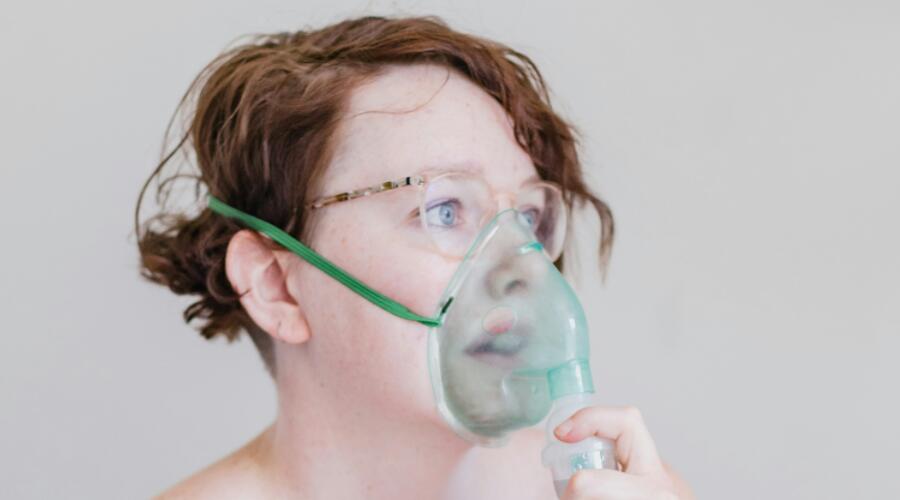
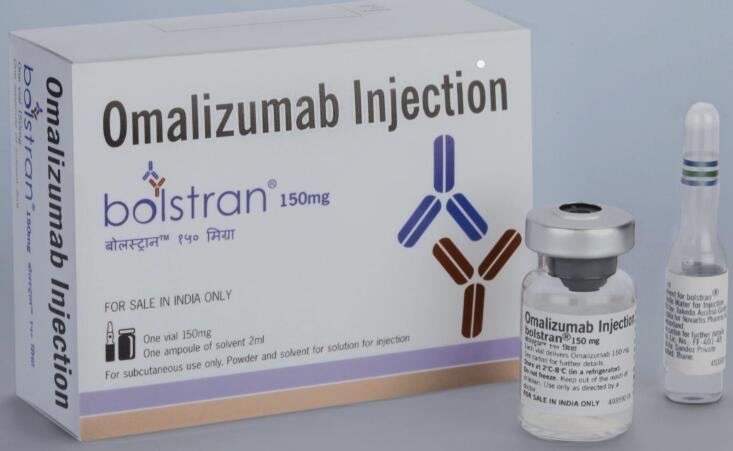
A total of six drugs have been approved for market listing, such as the monoclonal antibody drug Omalizumab targeting IgE, the monoclonal antibody drug Reslizumab targeting IL-5, and the monoclonal antibody drug Dupilumab targeting IL-4α. However, these drugs are all in the form of injections and cannot match the advantages of inhalation administration, such as rapidness, non-invasiveness, and rapid absorption.
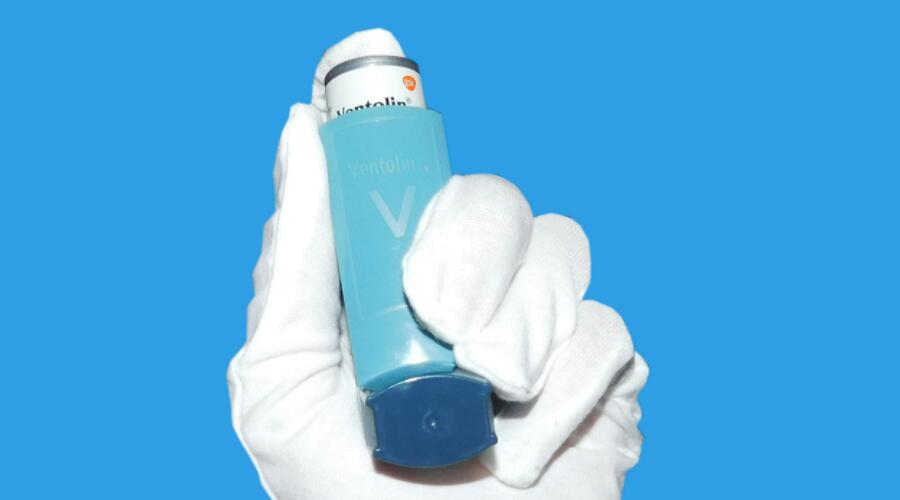
Inhalation preparations typically offer advantages such as rapid and non-invasive administration, rapid absorption through the lung surface area and abundant blood vessels, reduced exposure to other parts of the body, and low systemic adverse reactions [2]. However, traditional monoclonal antibodies or fragments have not shown significant efficacy in the development of inhalation-based administration. Novo Nordisk and Novartis have conducted research on the nebulization treatment of Omalizumab monoclonal antibody for patients with mild allergic asthma. The serum IgE levels of the subjects showed no significant change, and one subject developed antibodies against Omalizumab.
Compared with traditional monoclonal antibodies, the advantages of nanoantibodies, such as simple structure, small molecular size, and strong binding ability, have demonstrated more outstanding capabilities in the research and development of inhalation administration. Their superior features, including larger tissue penetration area, easier drug aggregation, and stronger thermal stability, are beyond the reach of traditional monoclonal antibodies.
With the outbreak of the COVID-19 pandemic, many nanobodies have been developed as inhalable preparations for combating the infection caused by the novel coronavirus. In March 2022, researchers from the School of Basic Medicine of Fudan University published a report in the journal Cell, describing a brand-new broad-spectrum and specific nanobody against the novel coronavirus. It can simultaneously target two epitopes on the spike protein of the virus and efficiently neutralize various prevalent strains including Omicron. Different from traditional administration methods, this fully humanized nanobispecific antibody is administered using the nebulization method, forming nebulized droplets with a median particle size of less than 5 μm, and without affecting its activity, causing degradation or aggregation, etc. [3]
In the research and development of asthma treatment drugs, the two inhalation-type nanobody drugs from the Chinese biopharmaceutical company Luoqi Biotechnology have reached the clinical Phase I development stage. They are LQ036, which targets IL-4α, and LQ043H, which targets thymic stromal lymphopoietin (TSLP). Both of these nanobody drugs have demonstrated excellent in vitro blocking activity during the research process, and also exhibit advantages such as intact biological activity and stable drug purity after inhalation. LQ036 has completed the Phase I clinical study in Australia for safety, tolerability, immunogenicity, and pharmacokinetics. Additionally, LQ043H is not only suitable for non-eosinophilic asthma, but also has therapeutic effects on chronic obstructive pulmonary disease (COPD).
Meanwhile, nanobodies have the advantages of being easily modifiable and having high activity. After being combined and modified with polyethylene glycol [4], human serum albumin, etc., they can prolong the retention time of the drug in the respiratory system, reduce the clearance rate, and extend the drug's half-life, thereby enabling a reduction in the dosing frequency [5, 6]. Moreover, because their production cost is lower than that of traditional antibodies, it may be possible to achieve a treatment plan with costs far lower than those of traditional asthma drugs.
It is believed that in the near future, there will be more safe, effective, convenient, cost-effective and versatile treatment options for respiratory diseases in the field of nano-antibody inhalation-based drugs.
参考文献:
[1] Shikotra A, Choy DF, Ohri CM, et al. Increased expression of immunoreactive thymic stromal lymphopoietin in patients with severe asthma[J]. J Allergy Clin Immunol, 2012, 129(1): 104-11 e1-9.
[2] Liang W, Pan HW, Vllasaliu D, et al. Pulmonary deliv ery of biological drugs[J]. Pharmaceutics, 2020, 12 (11): 1025.
[3] Li C, Zhan W, Yang Z, et al. Broad neutralization of SARS-CoV-2 variants by an inhalable bispecific single-domain antibody. Cell. 2022;185(8):1389-1401.
[4] Koussoroplis SJ, Paulissen G, Tyteca D, et al. PEGylation of antibody fragments greatly increases their local residence time following deli-very to the respiratory tract[J]. J Control Release, 2014, 187: 91-100.
[5] BAO G,TANG M,ZHAO J,et al. Nanobody:A promising toolkit for molecular imaging and disease therapy[J]. EJNMMI Res, 2021, 11(1):6. DOI:10. 1186/s13550-021-00750-5.
[6] SALVADOR J P,VILAPLANA L,MARCO M P. Nanobody:Outstanding features for diagnostic and therapeutic applications [J]. Anal Bioanal Chem,2019,411(9):1703-1713. DOI:10.1007/s00216-019-01633-4.