
Artemisinin can rapidly and effectively kill malaria parasites, and has excellent therapeutic effects on various types of malaria, including tertian malaria and falciparum malaria. Especially for severe falciparum malaria patients who are resistant to chloroquine or have multiple drug resistance, artemisinin is also effective. However, the problem of artemisinin resistance in malaria parasites is also gradually emerging. While traditional transmission-blocking vaccines (TBVs) focus on surface proteins of the malaria parasite, such as Pfs230 and Pfs48/45, they also face difficulties: insufficient antibody titers and poor durability. Take Pfs25 as an example, its clinical trials have always failed to reach the antibody level that effectively blocks transmission.
The emergence of nanobodies brings hope for breaking the deadlock. These antibodies, which are only 15 kDa in size, can precisely target key sites. A research team composed of Imperial College London, the Ifakara Health Institute in Tanzania, and other research institutions published a study in the Nature subsidiary journal "Communications Biology", proposing an innovative strategy that can enable the midgut of mosquitoes to express nanobodies through gene drive technology to block the transmission of malaria.
The customization strategy of nanobodies
The research team first prepared a recombinant PfPIMMS43 protein without the signal peptide and GPI anchor region, using it as an antigen to immunize alpacas and constructed a nanobody library containing over 108 clones. After two rounds of phage screening, nine highly specific nanobodies were finally obtained, among which G9, E5, C12 and E2 performed particularly well - their binding affinity to PfPIMMS43 reached 3-8 nM.
After ELISA testing, it was shown that all four nanobodies could efficiently recognize the natural PfPIMMS43 protein. In the samples taken 18 hours after mosquito stomach infection, nanobody G9 specifically bound to the surface protein of the gamete, and the red fluorescence-labeled gametes (Figure 1) could clearly show the process of their penetration through the intestinal epithelium.

Figure 1: Detection of the activator PfPIMMS43 and fluorescence-labeled activator invasion into the midgut epithelial cells of Anopheles mosquitoes
Verification of transmission interruption
To confirm whether the selected nanobodies can effectively block the infection rate of the malaria parasite in the Anopheles mosquito, the research team conducted a standard membrane feeding assay (SMFAs) and treated the malaria parasite strain NF54 with different concentrations of nanobodies.
The experimental results showed that when the concentration was 100 μg/ml, the nanobody E5 could reduce the number of mosquito stomach egg sacs by 99%; G9 by 86%; C12 and E2 by 89% and 83% respectively. More importantly, this blocking effect exhibited strict dose-dependent characteristics. Even at a low concentration of 25 μg/ml, G9 could still reduce the infection rate by 58%, demonstrating remarkable efficacy. As shown in Figure 2, the average number of egg sacs in the mosquito stomach of the PBS control group exceeded 50, while the egg sac number in the nanobody treatment group sharply decreased to single digits, with the E5 group almost reaching zero. This dose-dependent relationship provided key parameters for the research team in subsequent field application experiments.
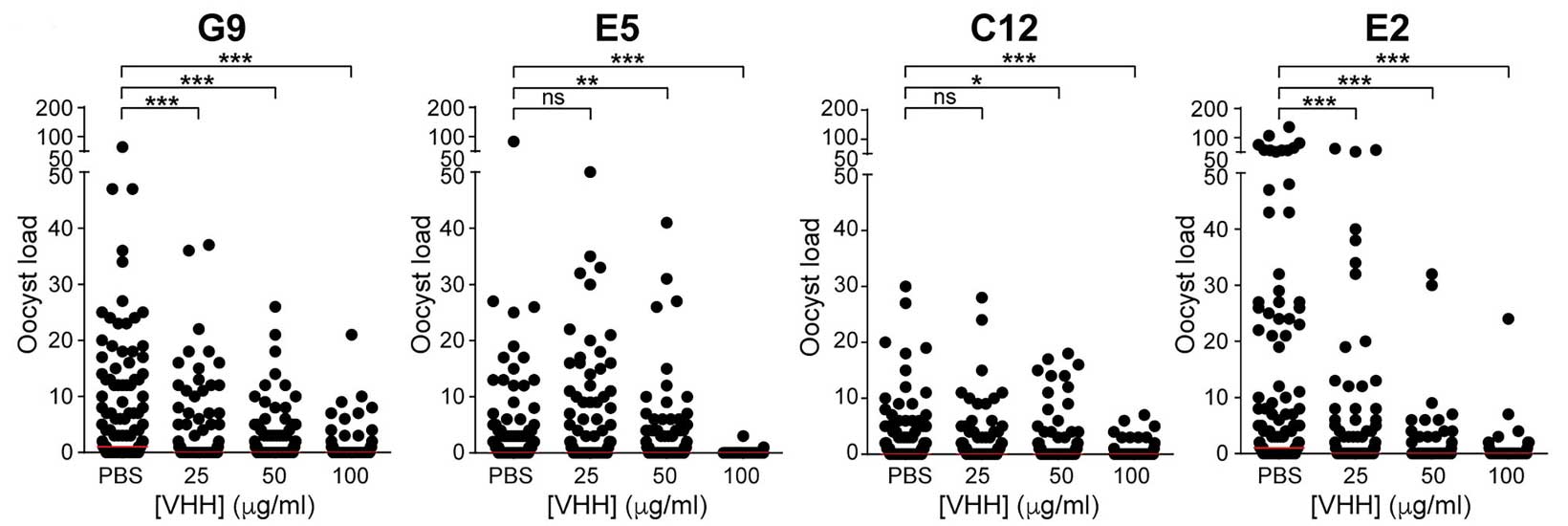
Figure 2: Illustrates the egg sac inhibitory effects of different concentrations of nanobodies
Verification of blocking in real environments
To further verify the actual efficacy of this nanobody, the research team conducted a direct membrane feeding assay (DMFAs) in Tanzania. They isolated wild malaria parasite strains from the blood of children infected with malaria and conducted infection experiments using Anopheles gambiae mosquitoes. The results showed that 100 μg/ml of nanobodies G9 and E5 reduced the number of oocysts from an average of 2.3 to 0 and 0.5, with blocking rates of 99% and 79%, respectively. What was equally surprising was that at 25 μg/ml, nanobody E5 still achieved a blocking rate of 66% against the wild strain, demonstrating a stronger adaptability compared to the laboratory strain. Figure 3 records the key data from the field experiment. The median marked by the red horizontal line shows that the number of oocysts in the nanobody treatment group almost reached the lowest point, while the PBS control group still maintained a relatively high infection level, confirming the effectiveness of the nanobodies in complex field environments.
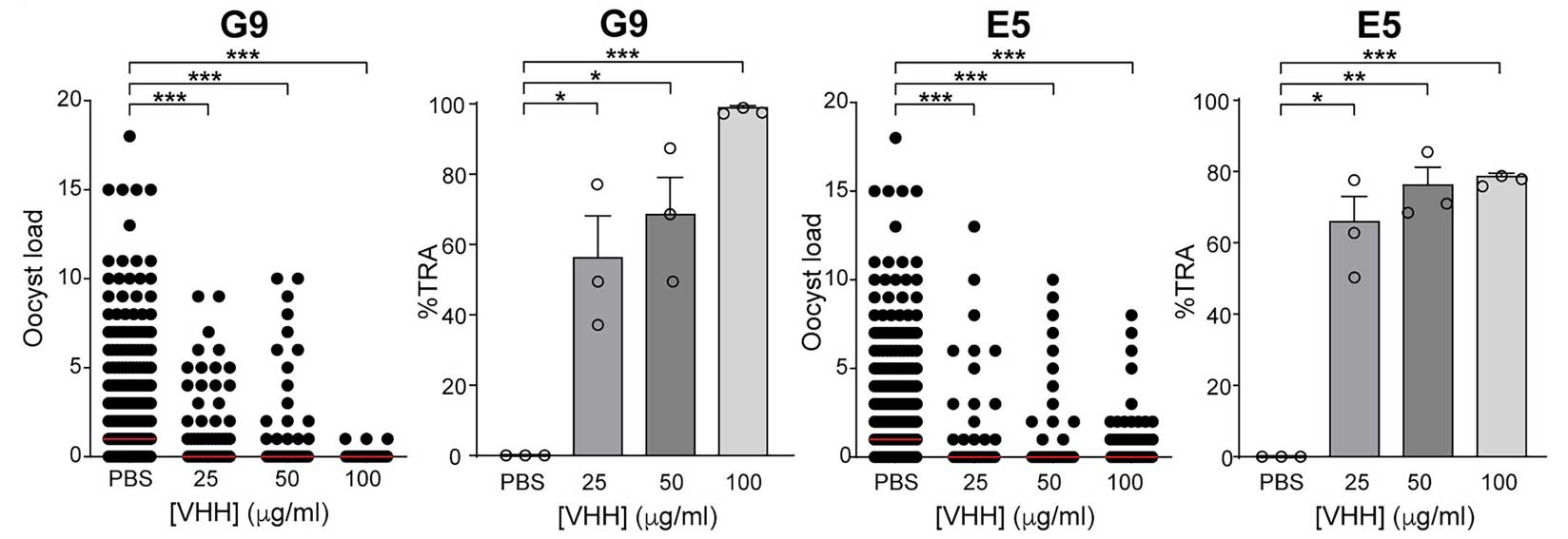
Figure 3: Experimental study on the interruption of Plasmodium infection in Anopheles gambiae mosquitoes
The molecular mechanism of targeted blockade by nanobodies
The research team discovered through epitope mapping experiments that the nanobody can target the conserved region of PfPIMMS43. Among them, G9 and E5 recognize the MGNDLANINISFFASEQR peptide segment located in the latter half of the protein, while C12 and E2 bind to different linear epitopes. Homology modeling further revealed that G9 tightly binds to the β-sheet region of PfPIMMS43 (such as amino acids G308, N309, etc.) through the CDR3 domain, as shown in Figure 4. The AlphaFold protein structure prediction model indicates that the CDR3 of the nanobody G9 can be embedded like a hook into the surface groove of PfPIMMS43, this conformational specificity binding ensures efficient blocking, and at the same time reduces the possibility of antigen escape.
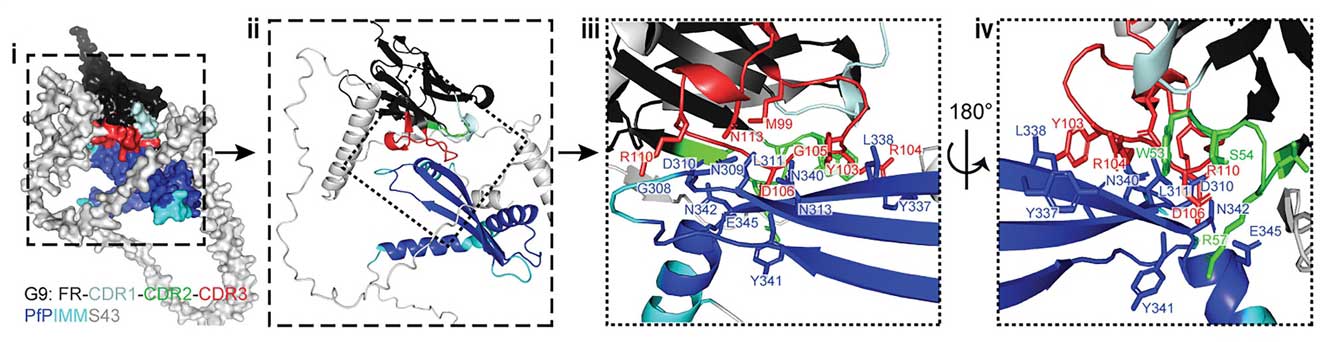
Figure 4: Homologous model of the G9-PfPIMMS43 complex
The revolutionary "gene drive" strategy that overturns traditional approaches
In conclusion, this study proposes a new prevention and control strategy to block the transmission of malaria by Anopheles mosquitoes. It verified the feasibility of the transmission-blocking strategy through gene drive technology by enabling the expression of PfPIMMS43 nanobody in the midgut of Anopheles mosquitoes, thereby reducing the transmission rate of Anopheles mosquitoes to humans. The advantage of this strategy lies in that gene drive can rapidly spread the resistant traits in the wild mosquito population, thereby forming "mosquito population immunity", and this nanobody strategy does not affect the physiological functions of mosquitoes, allowing for blocking the malaria parasite while minimizing the impact on the natural environment.
Not only that, the far-reaching significance of this research lies in verifying the feasibility of the "source transmission interruption" strategy. Rather than engaging in a life-and-death struggle with pathogens within the human body, it is better to cut off the transmission chain at the mosquito vector stage. This "upstream prevention" strategy can also be extended to mosquito-borne diseases such as dengue fever and Zika, and even the strategy can be changed to block other infectious diseases transmitted by disease-carrying insects such as tongue flies and ticks. Moreover, compared with traditional monoclonal antibodies, the production cost of nanobodies is extremely low, which is of crucial significance for the prevention and control of global mosquito-borne infectious diseases.

Nabo Life currently possesses a complete chain technology platform covering antibody development, discovery, and engineering. This platform includes screening platforms such as phage display, Escherichia coli display, and mammalian cell display, as well as membrane protein preparation and mRNA immunization platforms. Through the cross-complementation of multiple platforms, it provides flexible antibody discovery and modification services for pharmaceutical companies and research institutions, assisting in the development of drugs and reagents.
Naboo Life focuses on the development, modification and application of nanobodies. It has a breeding base of alpacas that meets the standards for laboratory animals and an independent laboratory base. It is committed to building an integrated experimental public service platform for industry, academia and research. We hope to provide more professional and cost-effective experimental services for a wide range of biological research institutions, pharmaceutical R&D enterprises and innovation teams. For more service details, please follow the Naboo Life official WeChat account or call the official hotline 400-822-9180 for consultation!
参考文献:Ukegbu, C.V., Mohamed, M., Hoermann, A. et al. Nanobody-mediated targeting of Plasmodium falciparum PfPIMMS43 can block malaria transmission in mosquitoes. Commun Biol 8, 683 (2025). https://doi.org/10.1038/s42003-025-08033-8