
Background
Treatment of advanced solid tumors remains highly challenging. Conventional chemotherapy and targeted therapies suffer from poor specificity, frequent drug resistance, and severe side effects. Most patients lose the chance for curative surgery and face poor prognosis. Combining precise targeting and potent tumor-killing activity, ADCs can selectively eliminate cancer cells while minimizing damage to healthy tissues, making them a fast-growing field in cancer therapy. The clinical approval of CSPC SYS6051 represents China’s ADC R&D progress from follower to co-leader and brings a new treatment option for patients with TF-positive advanced solid tumors.
In-depth Analysis: The Core Target of SYS6051 — Structure, Mechanism, and Application of Tissue Factor (TF)
To understand the therapeutic potential of SYS6051, it is critical to examine the structural features, physiological and pathological mechanisms, and oncological application value of its core target, tissue factor (TF). As a transmembrane protein regulating both coagulation and tumor progression, TF acts as both theinitiator of normal blood clotting and theaccelerator of abnormal tumor proliferation and metastasis, making it an ideal target for ADC development.
Structural Features of Tissue Factor (TF)
Tissue factor (TF, Coagulation Factor III) is a approximately 47 kDa transmembrane glycoprotein composed of three domains:
- Extracellular domain: specifically binds coagulation Factor VII to trigger the coagulation cascade;
- Transmembrane domain: anchors the protein to the cell surface and maintains structural stability;
- Intracellular domain: modulates tumor proliferation, migration, and angiogenesis.
Under physiological conditions, TF is sequestered from the bloodstream and exposed only upon vascular injury to initiate the extrinsic coagulation pathway and maintain hemostatic balance. In the tumor microenvironment, however, TF is aberrantly overexpressed and becomes a key driver of cancer progression.
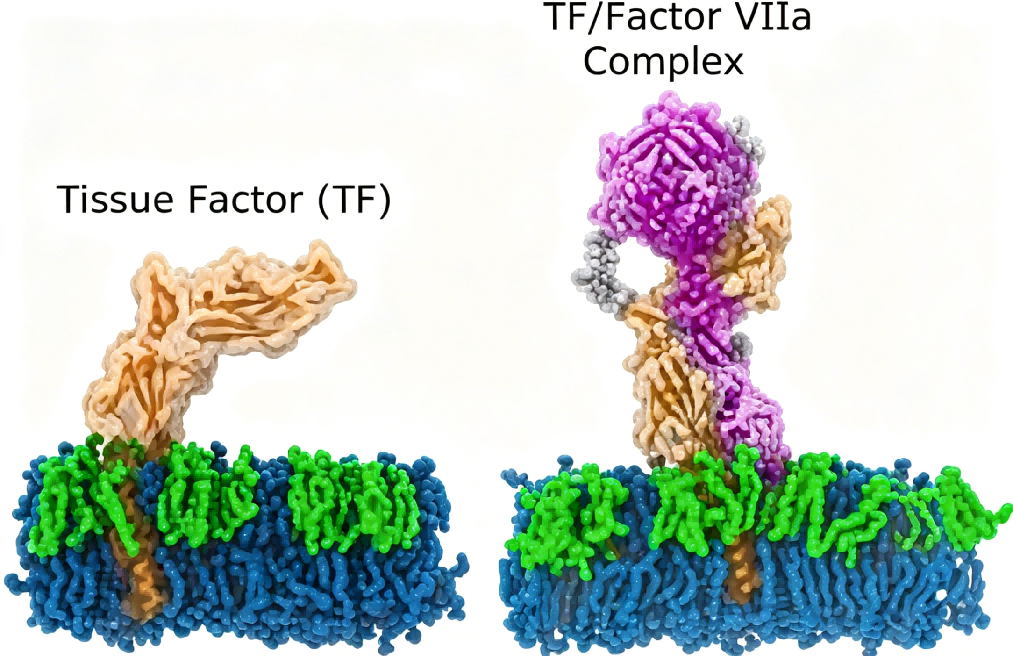
Figure 1 Structural model of tissue factor (TF) and TF–Factor VIIa complex in a lipid membrane[1]
Mechanisms of Tissue Factor (TF): Physiological and Pathological Roles
TF functions in two distinct contexts — normal physiology and tumor pathology — which are interconnected yet fundamentally different.
Physiological Role
TF is the primary initiator of the extrinsic coagulation pathway. Upon vascular injury, TF is exposed and binds Factor VII to form the active TF–FVIIa complex. This complex sequentially activates downstream coagulation factors, leading to clot formation and hemostasis to maintain circulatory homeostasis.
Pathological Role in Cancer
TF is aberrantly overexpressed in numerous solid tumors, including pancreatic, lung, and liver cancers, and is strongly associated with poor patient prognosis. It promotes cancer progression through three major mechanisms:
- Binding FVIIa to activate signaling pathways such as PI3K/Akt and MAPK, driving tumor proliferation and invasion;
- Activating coagulation to form microthrombi, supporting tumor nutrient supply and immune evasion;
- Inducing tumor angiogenesis to fuel growth and metastasis.
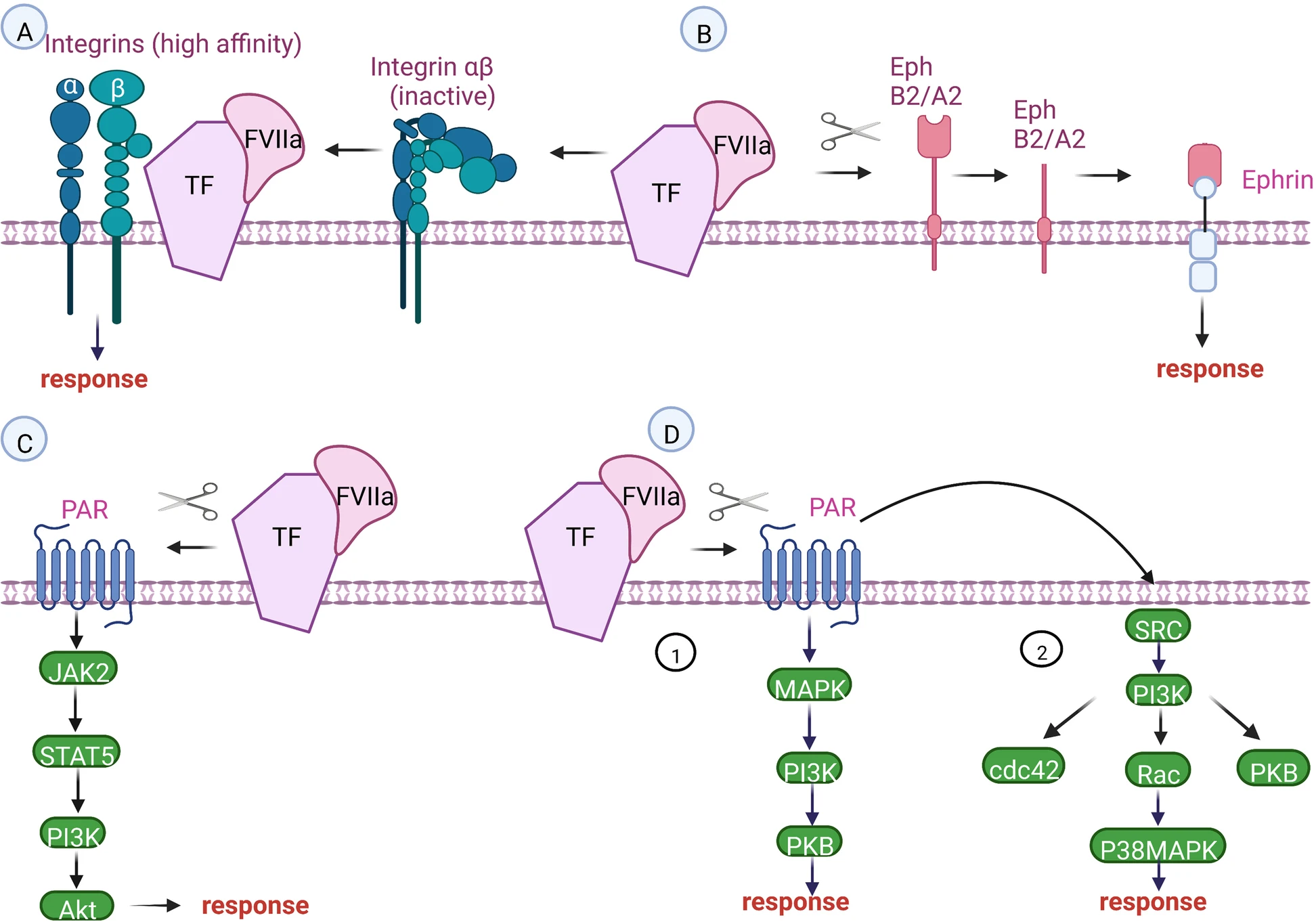
Figure 2 Physiological and pathological roles of TF[2]
Applications of Tissue Factor (TF) in Drug Discovery
- Tissue factor (TF) is a cell-surface protein involved in blood coagulation and is commonly overexpressed in many cancers. Emerging evidence links TF to cancer cell proliferation, metastasis, angiogenesis, and immune escape, establishing TF as a promising therapeutic target in oncology[3].Global R&D efforts targeting TF focus on ADCs, monoclonal antibodies, and small-molecule inhibitors. Among these, ADCs have become a research hotspot due to their dual advantages of targeted delivery and potent cytotoxicity.
- CSPC SYS6051 is a TF-targeted ADC that uses a humanized anti-TF IgG1 antibody as the carrier, site-specifically conjugated to the TOPI inhibitor exatecan via a cleavable linker. With a drug-to-antibody ratio (DAR) of 6, it exhibits enhanced resistance to retro-Michael elimination and improved overall stability.
Nanobodies: The Next-Generation Core Engine Empowering TF-Targeted Drug Development
As TF-targeted drug development advances, limitations of conventional monoclonal antibodies and traditional ADC carriers have become evident: large molecular size, poor tumor penetration, relatively high immunogenicity, complex manufacturing, and high costs. Conventional IgG antibodies (∼150 kDa) struggle to penetrate dense tumor stroma, resulting in insufficient intratumoral drug exposure and limited efficacy. Their low structural flexibility also hinders precise targeted delivery and synergistic killing.
Nanobodies address these challenges and have emerged as a preferred platform for TF-targeted R&D, providing core support for next-generation ADC upgrades. Nanobodies can also enhance TF monoclonal antibody therapies by binding TF with high specificity, blocking complex formation, penetrating the tumor microenvironment efficiently, and more potently inhibiting tumor growth and metastasis. Multiple TF-targeted nanobodies are currently in preclinical research. In the future, their integration with ADC technology is expected to yield more effective, safe, and accessible precision therapies for solid tumors.
Summary: China’s Innovative Drugs Go Global, Nanobodies Lead the Future
The dual clinical approvals of CSPC SYS6051 in both China and the U.S. mark a major milestone for domestic ADC development and a new global era for TF-targeted therapeutics, highlighting Chinese innovators’ capabilities in precision oncology.By targeting TF with its unique design and robust preclinical data, SYS6051 is poised to offer a new treatment option for patients with advanced solid tumors while elevating global interest in TF-targeted R&D.
As a core next-generation antibody technology, nanobodies reshape TF-targeted development with their compact size and high potency, overcoming limitations of conventional antibodies and empowering innovations such as ADCs and bispecific antibodies. With technological maturation and clinical translation, nanobody-enabled TF-targeted agents will improve efficacy and safety, lower treatment costs, and expand access to precision cancer care for more patients worldwide.
References
[1] Alessandra Luchini, Frederik Grønbæk Tidemand, et al. Structural model of tissue factor (TF) and TF-factor VIIa complex in a lipid membrane: A combined experimental and computational study.
[2] Ahmadi, S. E., Shabannezhad, A., Kahrizi, A., et al. Tissue factor (coagulation factor III): a potential double-edge molecule to be targeted and re-targeted toward cancer.Biomarker Research, 2023, 11(1), 60.
[3] Takao S, Fukushima H, Furusawa A, Kato T, Okuyama S, Kano M, Yamamoto H, Suzuki M, Kano M, Choyke P L, Kobayashi H. Tissue factor targeted near-infrared photoimmunotherapy: a versatile therapeutic approach for malignancies.Cancer Immunology, Immunotherapy, 2025 Jan 3;74(2):48.
NBLST is a nanobody industry platform initiated and established by Wuhan Industrial Innovation and Development Institute. It owns an independent laboratory covering 1,400 square meters at the Precision Medicine Industrial Base of Wuhan National Bioindustry Base. Meanwhile, it has set up an alpaca experimental base and a transit base compliant with laboratory animal standards in Zuoling, Wuhan and Tuanfeng, Huanggang respectively. At present, the bases house more than 200 alpacas in total, and can provide alpaca immunization services with "zero immune background" guarantee for research institutions and antibody drug R&D enterprises.
Contact Us:
Tel: 400-822-9180
Email: marketingdept@nanobodylife.com