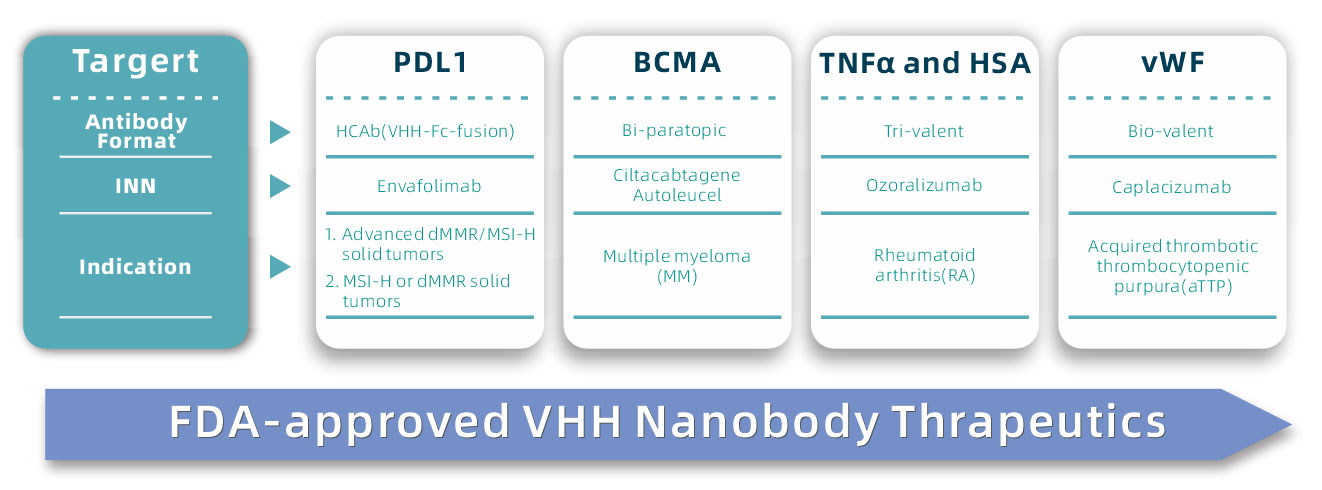
Just 29 years later, the first nanobody drug, Caplacizumab, was approved by the FDA for the treatment of autoimmune thrombocytopenic purpura and acquired thrombotic thrombocytopenic purpura (aTTP). Since then, the research and development of nanobody-related antibody drugs has entered a fast track. By 2025, a total of 4 nanobody drugs have been approved for market launch, fully demonstrating the outstanding properties of nanobodies in the field of antibody drugs. Nowadays, nanobodies are widely applied in multiple fields such as ADC, TCE, in vivo CAR, and RDC, with different antibody configurations.
The significant challenges of the nanoantibody discovery service
As various advantages continue to emerge, the demand for nanobody molecules is increasing day by day, and as a result, numerous nanobody discovery platforms have sprung up like mushrooms after rain. This is an extremely favorable situation for the development of antibody drugs. However, the differences between nanobodies and traditional IgG are not only due to the absence of light chains, but also lie in the different model organisms used for antibody discovery. The discovery of traditional IgG antibodies mainly relies on mice and rabbits for the development of mouse and rabbit antibodies, while the discovery of nanobodies mainly relies on large animals such as alpacas and camels. This results in much higher animal breeding costs and immune operation costs than mice and rabbits, thus posing a huge challenge to the "cleanliness" of the source of nanobody discovery - the animals. The lack of independently controlled animal breeding bases leads to complex immune operation procedures, the absence of effective animal control mechanisms, and the adoption of repeated immunization of alpacas to reduce costs, the lack of basic experimental literacy, and the private mixing of customer target antigens, etc., which have frequently appeared in the field of nanobody development, seriously threatening the credibility of nanobody discovery services and bringing huge challenges to nanobody discovery services.
Nabo's management of alpacas
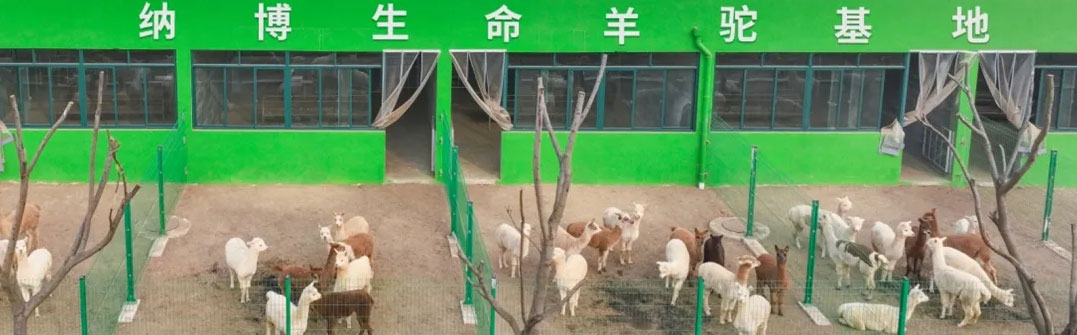
纳博生命羊驼栏舍(内间&外间)
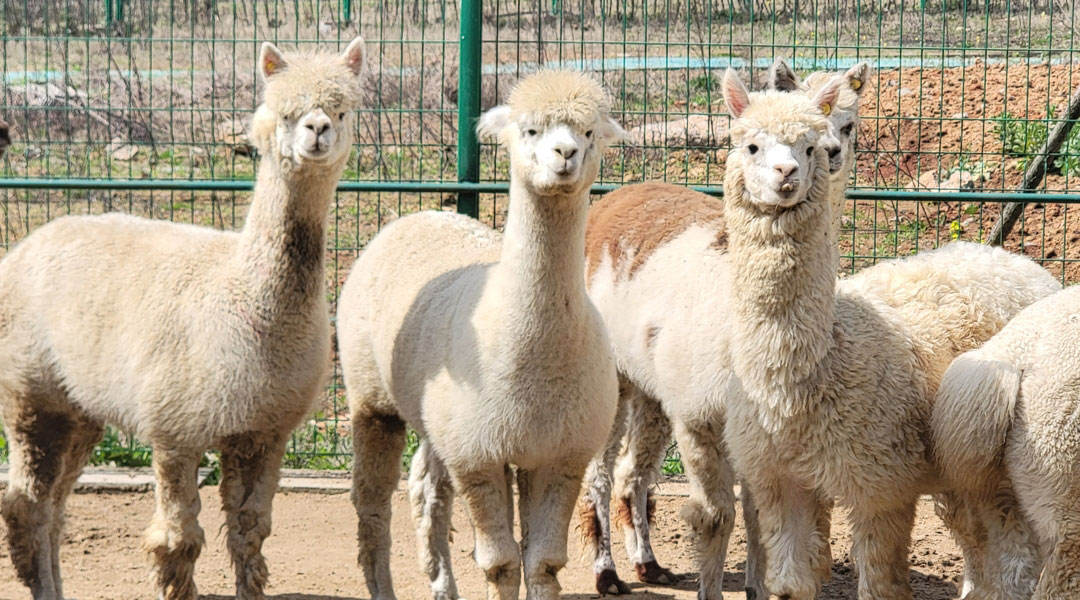
Naboo Life is a technology company that provides a full-process service ranging from alpaca immunization to antibody discovery and antibody engineering, as well as in vitro and in vivo validation. Since its establishment, Naboo Life has attached great importance to the standardized management of alpacas. To this end, the company has specially set up alpaca experimental bases and transfer bases in Wuhan Zoleng and Huanggang Tongfeng respectively, completely isolating alpaca experiments from transfer/holding to avoid confusion in animal management (please refer to the article "Analysis of the Great Risks of Alpaca Secondary Immunization: A Special Topic on Nanobody Development Technology" published by Naboo Life's official account on March 21, 2025). Moreover, Naboo Life Technology has implemented strict control over alpacas both "before arrival" and "after arrival", ensuring that the immune background of alpacas is zero.
Before the arrival of the alpacas, their origin was the starting point of the entire process. The alpacas used by Nabobo Life Science mainly come from the Netherlands. After being introduced, they are raised with imported alfalfa grass to ensure an adequate intake of protein, maintaining their good living condition. At the same time, the company limits the age of the alpacas to be introduced to be under 2 years old. The optimal immunization age for alpacas is 2-4 years. Young and old alpacas have not yet fully developed their immune functions or have begun to decline. Therefore, the probability of alpacas under 2 years old being immunized is extremely low. Introducing such alpacas further reduces the risk of purchasing duplicate immunized alpacas from the source. Usually, the newly introduced baby alpacas need more than half a year of feeding time before they can be put into experiments. This also gives alpacas more time to adapt to the environment, avoiding stress reactions.
On the other hand, the younger the alpacas in the study group are, the longer the rearing period and higher the costs required before they can be put into the experiment. However, these investments are not only worthwhile but also necessary for maintaining a good immune foundation in alpacas. They are also the basis for our confidence that the immune background of the alpacas can be zero.
"After the alpacas arrived", the alpacas first went through an adaptation period of more than two months. Younger ones needed more than half a year. During the adaptation period and before and after the experiment, Nabobo Life Technology followed national standards such as "Environmental and Facilities for Laboratory Animals" and "Regulations on Laboratory Animals Management", and established strict management guidelines and experimental operation standard procedures for the animals. At the same time, it strictly adhered to "Principles of Animal Welfare" to provide a complete welfare system for the alpacas.
Each pen at the alpaca base is divided into an inner and an outer section. Each alpaca is guaranteed a minimum floor space of 5 square meters, and the effective height of the pen is no less than 3 meters. The outer section is specifically designed for the alpacas to have a sand bathing area. Each pen is equipped with independent ventilation equipment to ensure the real-time circulation of air inside and outside the pen, effectively reducing the risk of pathogen proliferation. The drinking system adopts a three-stage filtration process and an automatic drinking device, providing alpacas with clean water that meets human drinking water standards, ensuring water quality safety. To help alpacas adapt to the high-temperature environment in Wuhan during summer, the inner section of each pen is equipped with central air conditioning to maintain an appropriate temperature inside the pen. All these measures and equipment ensure that alpacas remain in a healthy state within the base, especially during the experimental process (avoiding discomfort or diseases caused by non-experimental operations or immunogens).
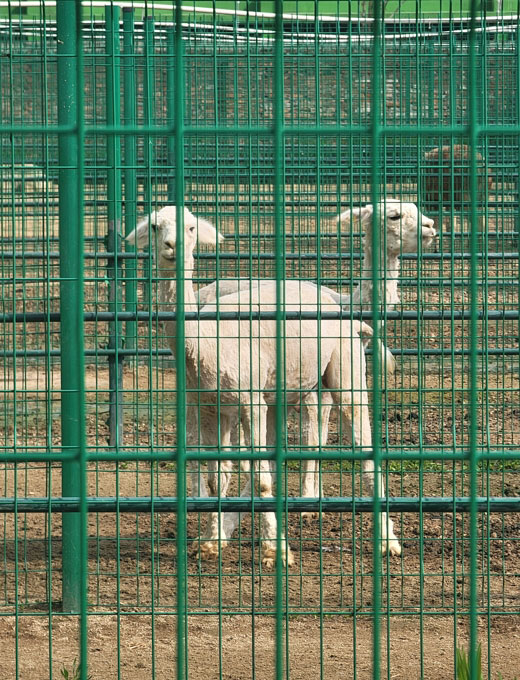
The newly introduced alpacas still require more than half a year of breeding before they can be used for experiments.
The company strictly adheres to the requirements of the "Occupational Health and Safety Qualifications and Responsibilities" and has established a standardized and professional veterinary team and experimental team, responsible for all the experimental operations related to alpaca immunity. During the immunization experiment phase, Naboo meticulously records every antigen injection, including the antigen type, dosage, injection site, and the reaction of the alpacas, thereby constructing a complete immunization file. This transparent management model effectively enhances the reliability of research data. Up to now, Naboo Life Alpaca Base has provided traceable immunization services to over 50 research institutions and has received unanimous praise from all customers.
In daily management, the alpaca breeding team strictly follows the "Animal Welfare Guidelines", and has established the Institutional Animal Care and Use Committee (IACUC) to ensure animal welfare. The company regularly conducts routine operations such as shearing and grooming of alpacas. In terms of the alpaca's diet, scientifically balanced food consisting of alfalfa feed, concentrated feed, fruits and vegetables is provided three times a day, fully meeting the alpacas' nutritional needs for crude protein, crude fiber, and various other trace elements. To meet the welfare needs of the alpacas, a scientific snack supply plan has been set up at the base. At noon every day, a small amount of apple slices or carrot sticks are provided as snacks for the alpacas, which not only replenishes vitamins but also alleviates their stress response through eating interaction, providing a solid physical foundation for high-quality immunization experiments.
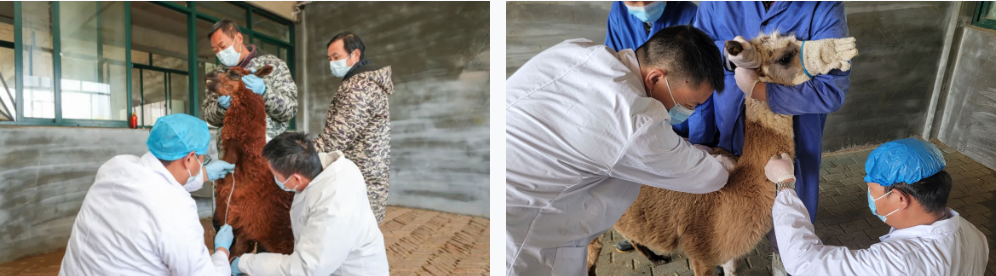
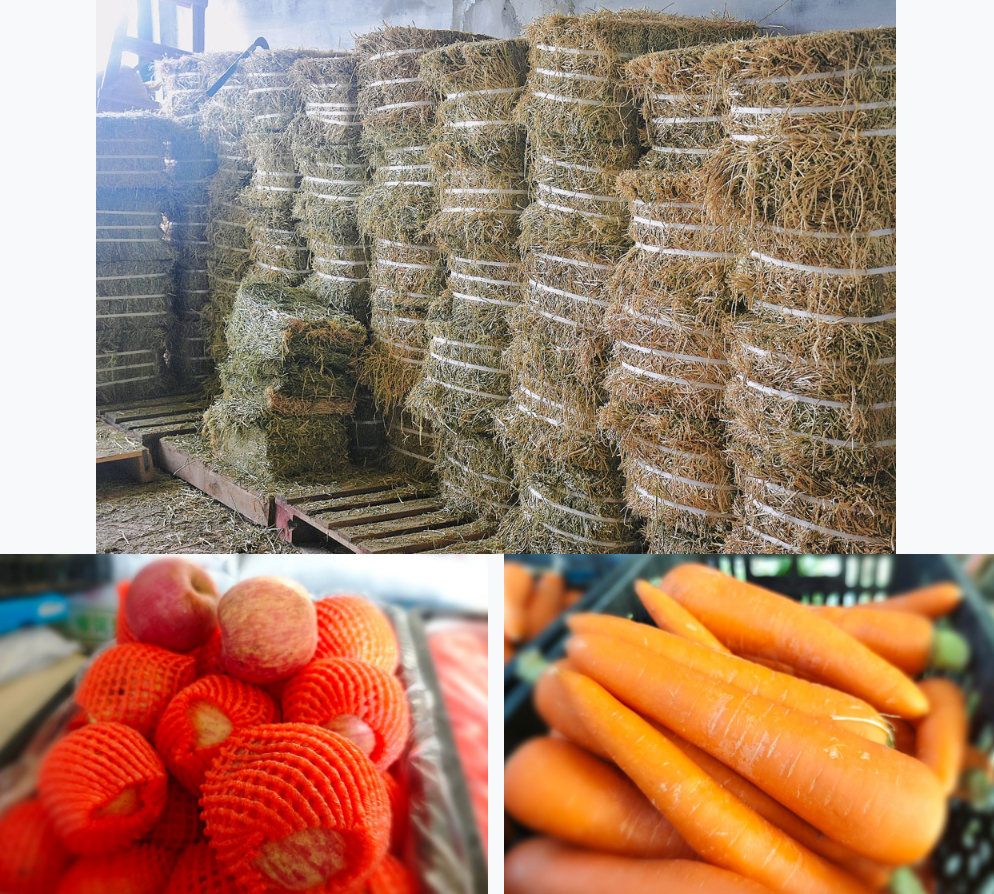
The main food of alpacas is alfalfa grass and fruits and vegetables.
The industrial value that facilitates the transformation of scientific research
Nabo Life adheres to the core concept of "ensuring quality from the source", by establishing standardized facilities, implementing meticulous management and conducting full-process traceability, it has built a solid experimental platform for the research and development of nanobody. The standardized management not only enables the provision of high-quality and healthy "zero immune background" alpacas to customers, ensuring the reliability of experimental data, but also significantly enhances the efficiency of nanobody research and development, and greatly reduces the overall research and development costs and uncontrollable risks of the project.
With the wide application of nanobodies in fields such as tumor treatment and infectious disease diagnosis, the Nabao Life Alpaca Base will continue to provide impetus for the transformation of scientific research achievements, and drive China's nanobody industry to enter a new stage of higher-quality development.
Nabo Life currently possesses a complete chain technology platform covering antibody development, discovery, and engineering. This platform includes screening platforms such as phage display, Escherichia coli display, and mammalian cell display, as well as membrane protein preparation and mRNA immunization platforms. Through the cross-complementation of multiple platforms, it provides flexible antibody discovery and modification services for pharmaceutical companies and research institutions, assisting in the development of drugs and reagents.
Naboo Life focuses on the development, modification and application of nanobodies. It has a breeding base of alpacas that meets the standards for laboratory animals and an independent laboratory base. It is committed to building an integrated experimental public service platform for industry, academia and research. We hope to provide more professional and cost-effective experimental services for a wide range of biological research institutions, pharmaceutical R&D enterprises and innovation teams. For more service details, please follow the Naboo Life official WeChat account or call the official hotline 400-822-9180 for consultation!