
DLL3: An "Exclusive Target" for Small Cell Lung Cancer, Resolving the Therapeutic Dilemma of Neuroendocrine Tumors
Target Structure and Biological Characteristics
DLL3 (Delta-like ligand 3) is an inhibitory ligand of the Notch signaling pathway and a single-pass transmembrane protein. Its structure consists of an extracellular domain (containing multiple epidermal growth factor-like repeats), a transmembrane region, and an intracellular domain. Unlike other Notch ligands, DLL3 is predominantly localized on the cell surface and participates in the differentiation of neuroendocrine tissues during embryonic development, while being barely expressed in healthy adult tissues. It exhibits highly specific expression in small cell lung cancer (SCLC) — DLL3 is highly expressed on the tumor cell surface in 96% of SCLC patients. This feature of "tumor-specific high expression + low expression in normal tissues" makes DLL3 an ideal precision therapeutic target[1]. It enables precise targeting of tumor cells while minimizing off-target toxicity to the greatest extent.
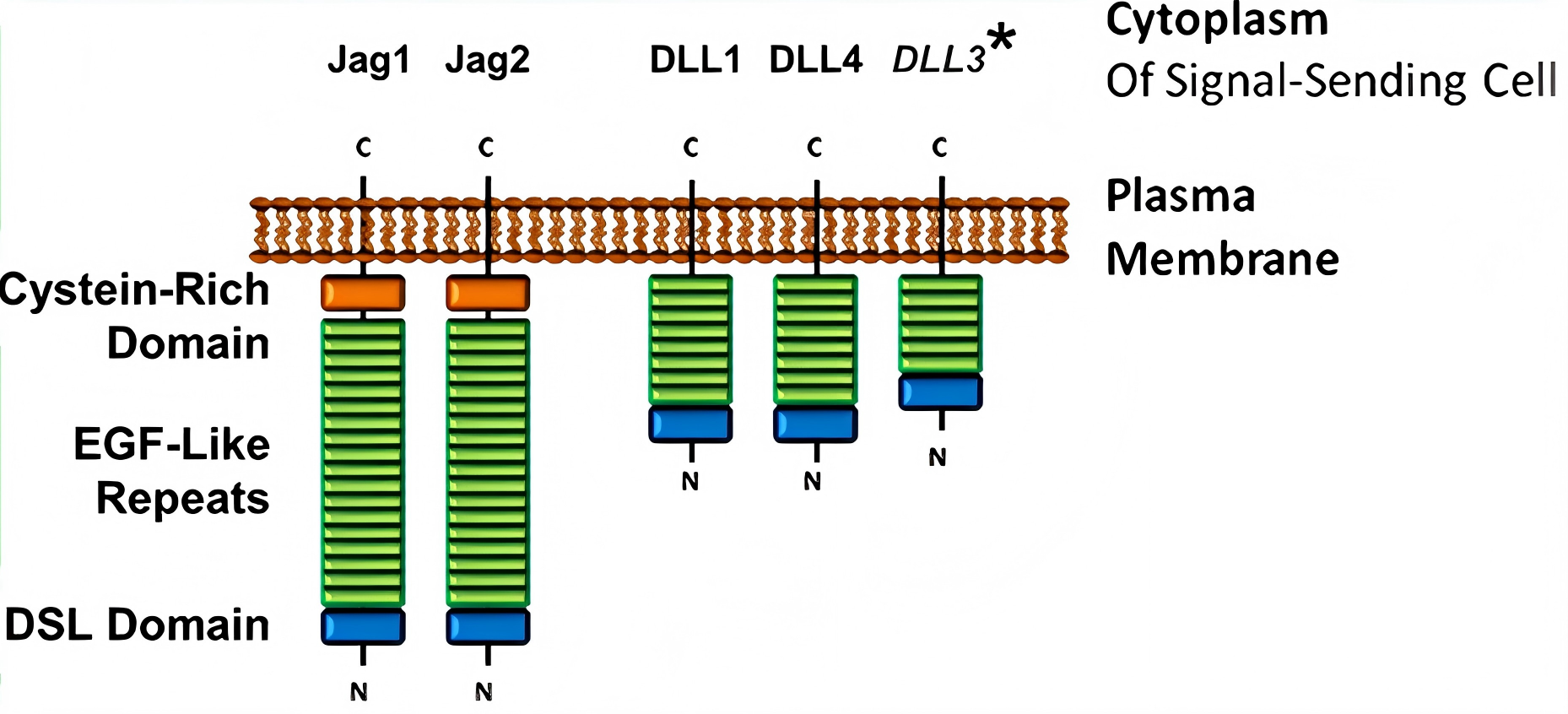
Figure 1 Structure of DLL3[2]
Mechanism of Action and Disease Association
- Mechanism of Action: DLL3 plays a dual role in tumorigenesis and progression. On the one hand, it maintains the neuroendocrine phenotype of tumor cells by inhibiting the Notch signaling pathway, promoting tumor proliferation, invasion, and metastasis. On the other hand, DLL3 expression is closely associated with drug resistance in small cell lung cancer; the positivity rate of DLL3 is significantly elevated in patients resistant to chemotherapy and immunotherapy.
- Associated Diseases: For patients with small cell lung cancer, the presence of DLL3 is almost a "fatal signal". The 5-year survival rate of patients with extensive-stage small cell lung cancer is less than 5%, the median progression-free survival of traditional chemotherapy and immunotherapy is only 4–6 months, and there is a lack of effective second-line and later treatment options. The discovery of DLL3 has broken this deadlock — drugs targeting DLL3 can precisely kill tumor cells through different mechanisms, independent of PD-L1 expression levels, providing a new treatment option for patients with PD-L1-negative or immunotherapy-failed disease.
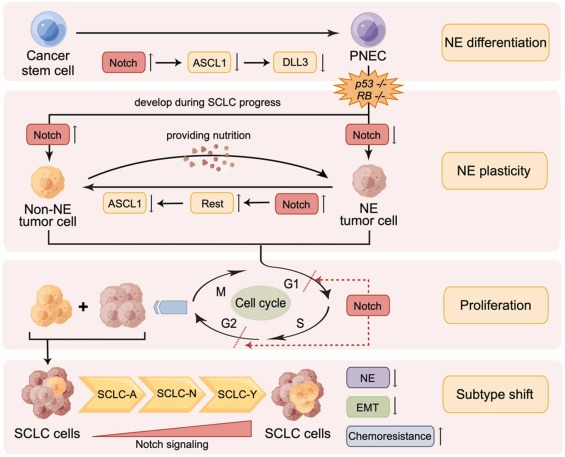
Figure 2 DLL3 and Small Cell Lung Cancer[3]
Drug R&D Background: Dual-Track Innovative Strategies
Current R&D of DLL3-targeted drugs mainly follows two major directions:
- T-cell Engagers (BiTE): Represented by Obrixtamig, which binds to DLL3 on the tumor cell surface at one end and the CD3 receptor on T cells at the other. It acts as a "molecular bridge" to recruit T cells to tumor cells, activate T cells to release cytotoxic substances, and directly lyse tumor cells. This mechanism is independent of antigen presentation, can rapidly initiate immune killing, and exerts potent cytotoxicity against DLL3-highly-expressing tumor cells.
- Antibody-Drug Conjugates (ADC): Zai Lab’s DLL3-targeted ADC uses an anti-DLL3 antibody as the "navigation system" conjugated with a potent cytotoxic payload. Upon binding to DLL3 on the tumor cell surface, the antibody is internalized and releases the payload, inducing tumor cell apoptosis by disrupting DNA or inhibiting topoisomerase.
Nanobodies: The "Next-Generation Tool" for Antibody Drug Development, Unlocking New Potential of the DLL3 Target
Traditional monoclonal antibody drugs face numerous challenges in DLL3 target R&D, including poor tumor penetration, short retention time in solid tumors, high production costs, and difficulties in constructing multispecific molecules. The emergence of nanobodies (single-domain antibodies) provides a novel solution to these problems[4][5].
Global Race in the DLL3 Field (Nanobody Drugs)
- Gocatamig (MK-6070/HPN328): A trispecific nanobody fusion protein developed by Harpoon Therapeutics, a subsidiary of Merck & Co. Leveraging the high affinity and strong tissue penetration of nanobodies, the drug targets and binds to DLL3 on the surface of tumor cells such as small cell lung cancer at one end, and recruits and activates T cells to achieve targeted tumor killing at the other. Indicated for the treatment of small cell lung cancer and neuroendocrine tumors, it is an immunotherapeutic nanobody drug currently in Phase 1/2 clinical trials.
- ABD-147: A DLL3-targeted alpha-radionuclide-conjugated nanobody drug developed by Abdera Therapeutics. Using nanobodies as precise targeting carriers with advantages of small size, strong tumor penetration, and high binding specificity, it delivers the conjugated alpha nuclide ²²⁵Ac precisely to DLL3-expressing small cell lung cancer and large cell neuroendocrine carcinoma lesions, exerting potent tumor killing while reducing damage to surrounding normal tissues. As a precision radiotherapy drug mediated by nanobodies, it is currently in Phase 1 clinical trials.
Potential Value of Nanobodies in DLL3-Targeted Therapies
The advantages of nanobodies are particularly prominent in DLL3 target R&D:
- Constructing Next-Generation DLL3/CD3 Bispecific Antibodies: Utilizing the modular properties of nanobodies, high-affinity DLL3/CD3 bispecific molecules can be rapidly constructed. Compared with traditional monoclonal antibody-based bispecific antibodies, they feature higher tumor penetration and lower immunogenicity, enabling more efficient recruitment of T cells to kill tumor cells[6].
- Optimizing DLL3 ADC Drugs: Using nanobodies as the "navigation arm" of ADCs can improve drug distribution in tumor tissues, reduce non-specific binding in normal tissues, and enhance stability to reduce payload shedding in circulation, thereby improving drug safety and therapeutic window[7].
- Expanding Combination Therapy Space: Nanobodies can be conjugated with multiple functional modules simultaneously, such as carrying immune activation signals while targeting DLL3, or binding two different cytotoxic payloads, to achieve synergistic effects through multiple mechanisms and further enhance anti-tumor efficacy[8].
Significance and Outlook: From Target Breakthrough to Technological Innovation, the Future of DLL3 Therapies Has Arrived
The collaboration between Zai Lab and Boehringer Ingelheim has once again put the DLL3 target in the industry spotlight, while the rise of nanobody technology is injecting new vitality into the R&D of this target. Empowered by platforms such as Novabio Life Sciences, an increasing number of pharmaceutical companies will be able to leverage the advantages of nanobodies to develop more efficient and safer DLL3-targeted therapies, bringing new survival hope to patients with small cell lung cancer and neuroendocrine carcinoma.
From target discovery to drug commercialization, every breakthrough in antibody drug development is supported by technological platforms. Novabio Life Sciences will continue to focus on nanobody technology, providing efficient and professional R&D services to help pharmaceutical companies overcome undruggable targets and jointly drive the innovation of precision tumor therapy.
References
[1] Rojo F, Corassa M, Mavroudis D, et al. International real-world study of DLL3 expression in patients with small cell lung cancer. Lung Cancer. 2020;147:237-243.
[2] Steinbuck MP and Winandy S (2018) A Review of Notch Processing With New Insights Into Ligand-Independent Notch Signaling in T-Cells. Front. Immunol. 9:1230.
[3] Huan Zhang, Yunkai Yang, Xuchang Li, Xun Yuan, Qian Chu.Targeting the Notch signaling pathway and the Notch ligand, DLL3, in small cell lung cancer.2023-01-14.
[4] Debie P, Lafont C, Defrise M, Hansen I, van Willigen DM, van Leeuwen FWB, Gijsbers R, D'Huyvetter M, Devoogdt N, Lahoutte T, Mollard P, Hernot S. Size and affinity kinetics of nanobodies influence targeting and penetration of solid tumours. J Control Release. 2020 Jan 10;317:34-42. doi: 10.1016/j.jconrel.2019.11.014. Epub 2019 Nov 14.
[5] Morgensztern D, Besse B, Greillier L, et al. Efficacy and Safety of Rovalpituzumab Tesirine in Third-Line and Beyond Patients with DLL3-Expressing, Relapsed/Refractory Small-Cell Lung Cancer: Results From the Phase II TRINITY Study. Clin Cancer Res. 2019 Dec 1;25(23):6958-6966.
[6] Debie P, Lafont C, Defrise M, et al. Size and affinity kinetics of nanobodies influence targeting and penetration of solid tumours. J Control Release. 2020 Jan 10;317:34-42.
[7] CN116041519A.抗DLL3纳米抗体偶联药物及其制备方法和应用.华道(上海)生物医药. 2023.
[8] Li X, et al. Orchestrating NK and T cells via tri-specific nano-antibodies for synergistic antitumor immunity. Journal for ImmunoTherapy of Cancer. 2025; 13(5): e007892.
NBLST is a nanobody industry platform initiated and established by Wuhan Industrial Innovation and Development Institute. It owns an independent laboratory covering 1,400 square meters at the Precision Medicine Industrial Base of Wuhan National Bioindustry Base. Meanwhile, it has set up an alpaca experimental base and a transit base compliant with laboratory animal standards in Zuoling, Wuhan and Tuanfeng, Huanggang respectively. At present, the bases house more than 200 alpacas in total, and can provide alpaca immunization services with "zero immune background" guarantee for research institutions and antibody drug R&D enterprises.
Contact Us:
Tel: 400-822-9180
Email: marketingdept@nanobodylife.com