Antibody display technology provides a fundamental early technical platform for antibody drug development. To date, antibody display technology has diversified and developed in various ways. Besides the Phage display (Pd) technology that has a history of several decades, people have also developed other distinctive technical platforms such as Bacteria display (Bd), Yeast display (Yd), Ribosome display (Rd), and DNA display (Dd). Among them, Phage display is the most widely used technology in the field of antibody engineering or nanobody discovery due to its early invention, followed by Yeast display. The greatest advantages of Pd and Yd lie in their huge library capacity, with Pd being able to easily reach 10^11 and Yd also being able to reach 10^10. However, as Pd and Yd are based on prokaryotic or lower eukaryotic expression systems, they have disadvantages that are difficult to overcome in addition to their huge library capacity advantage. Firstly, the PTM in prokaryotic or lower eukaryotic expression systems is very different from that of humans, especially for phages, and even in terms of the preference of codons, there are significant differences between prokaryotic expression systems and humans. Secondly, due to their small size, phages cannot be analyzed by flow cytometry. Additionally, Pd and Yd have considerable limitations in presenting the antibody conformation on their surfaces, typically favoring scFv conformation antibodies; although Fab conformation antibodies can also be expressed in these two systems, the expression level is lower than that of scFv, and full-length IgG or other types of antibodies or proteins are basically unable to be well-displayed in Pd or Yd. Therefore, a more superior display technology in terms of drugability and flexibility of antibody conformation, mammalian cell display (MCd), has emerged. After overcoming the difficulty in the number of gene integrations, the mammalian cell display technology demonstrates significant advantages, expanding the technical scope of antibody discovery and antibody engineering to unlimited possibilities.
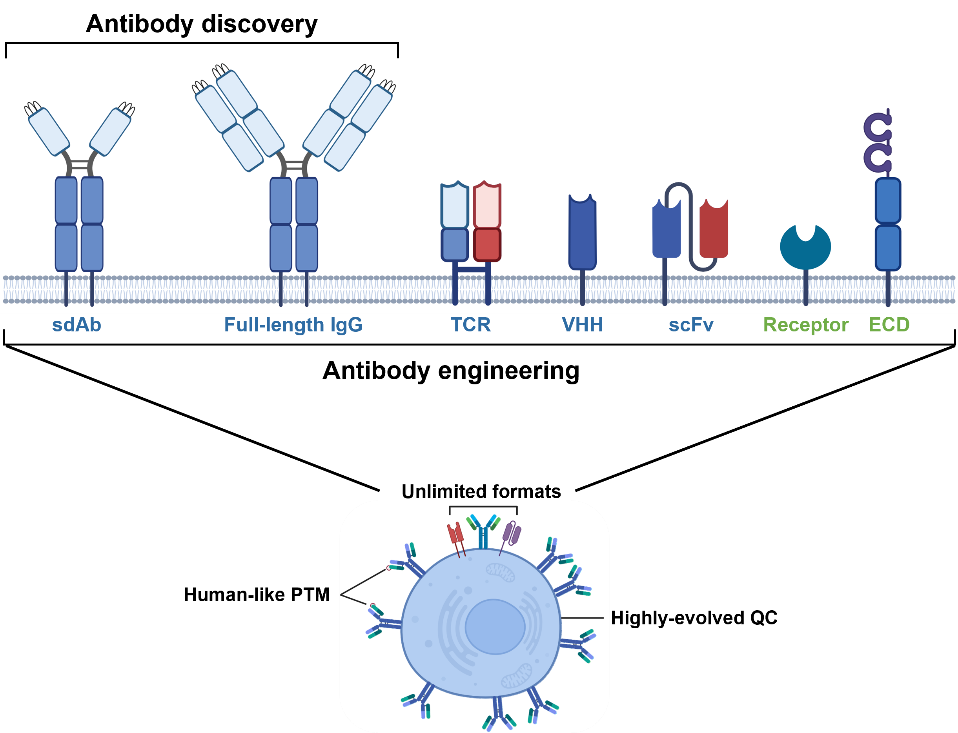
Figure 1. Advantages of mammalian cells. Mammalian cells possess PTMs similar to or even identical to those in humans, a highly evolved quality control system, and unrestricted antibody/protein configurations.
The advantages of MCd are evident in many aspects. Firstly, MCd offers no configuration restrictions for displaying antibodies or proteins on its surface. Thanks to the assistance of chaperones in mammalian cells, various proteins can be easily expressed and then displayed on the cell membrane. In the field of antibody and protein engineering, not only can traditional scFv configurations of antibodies be demonstrated, but also full-length IgG, full-length sdAb, TCR, non-antibody receptors, and Fc-fused/naked ECD can be efficiently displayed and screened (Fig. 1). Secondly, the antibodies screened by MCd have higher drugability. The PTM in higher eukaryotic cells is similar to that of humans, and the culture conditions of mammalian cells are very similar to the downstream CMC and even clinical treatment environment in antibody drug development. The antibodies obtained during the screening process can pass more stringent drugability tests. At the same time, mammalian cells have a highly evolved quality control (Quality control; QC) system, including ER QC, Golgi QC, and Membrane protein QC (Fig. 2). ER QC and Golgi QC can remove structurally and structurally incorrect proteins (antibodies), causing them to be degraded before reaching the membrane, while Membrane protein QC can remove antibody molecules that have successfully reached the membrane but have low thermal stability, strong hydrophobicity, or high aggregation. Therefore, "problematic" antibodies or proteins are naturally degraded and eliminated during the display process and before screening, ensuring that the antibody molecules obtained through screening have excellent physicochemical properties and improving the drugability of the screened antibodies. Yeast, as a lower eukaryote, although it also has some ER and Golgi QC, lacks Membrane protein QC, making Yd unable to match MCd in terms of drugability. Finally, the most overlooked shortcomings of Pd and Yd are the issue of sequence specificity. Although the libraries of Pd and Yd have large capacity, these two display techniques perform poorly in screening sequence specificity, which makes the advantage of large library capacity partially undermined by low specificity. In other words, the "effective library capacity" of Pd and Yd is not easily able to reach the theoretical limit. On the contrary, the sequence specificity of MCd reaches 80%-90% or even higher, thus largely compensating for the disadvantage of low library capacity. And both in theory and practice, a library capacity of 107 is more than sufficient for antibody engineering and is also adequate for antibody discovery.
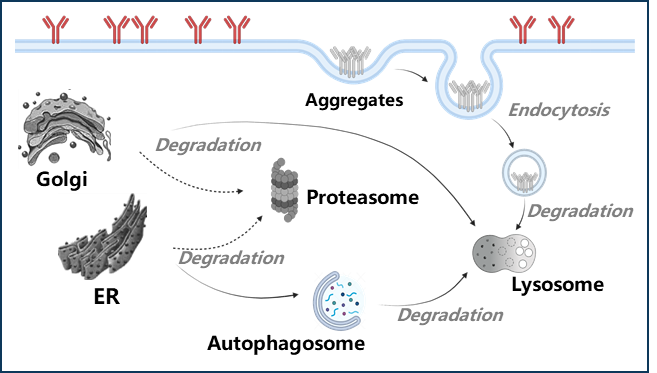
Figure 2. Mammalian cells demonstrate ensuring high drugability: QC system. Both ER and Golgi can degrade "problematic" proteins through the proteasome, or enter the lysosome through autophagosomes for degradation. For unstable membrane proteins, aggregated proteins can be transported to the lysosome for degradation through endocytosis.
Of course, although Pd and Yd have obvious disadvantages in terms of configuration and drugability, they still have certain advantages. Besides the large library capacity, their lower cost and slightly shorter cycle are also important factors that customers will consider. The specific advantages and disadvantages of phage display, Escherichia coli display, yeast display and mammalian cell display are detailed in Table 1.

表1. 各展示技术优缺点对比Table 1. Comparison of Advantages and Disadvantages of Various Display Technologies
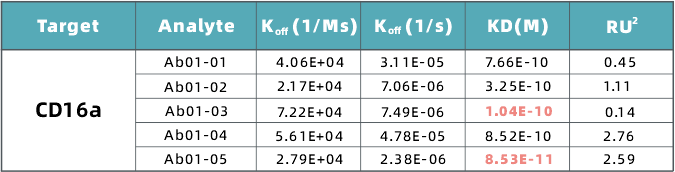
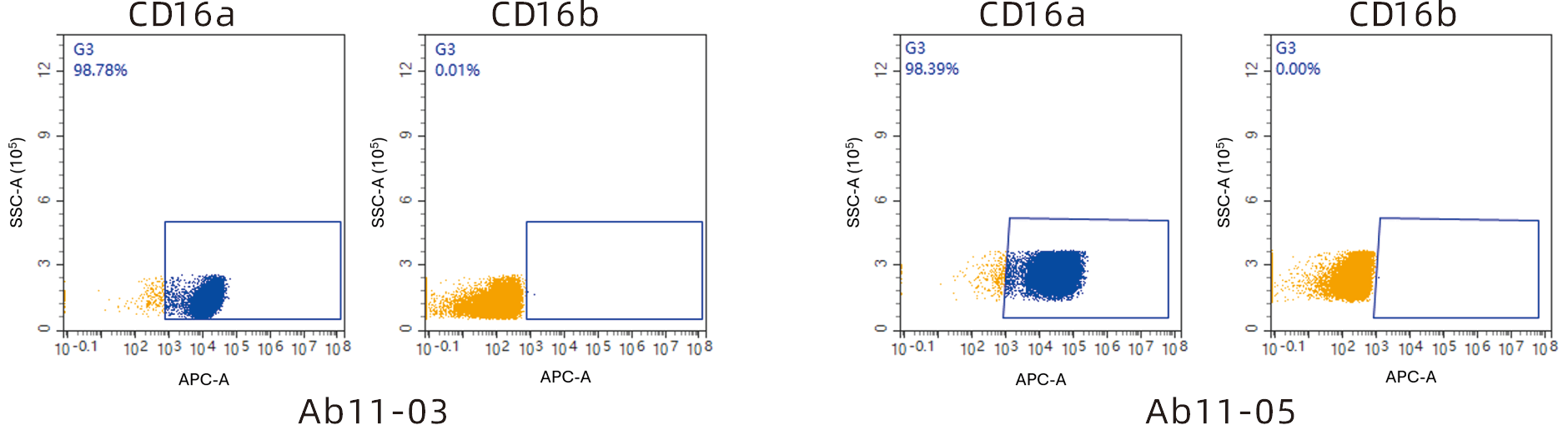
Due to the unrestricted antibody/protein configuration, the mammalian cell display platform of Nabob Life Science has been technologically verified in multiple fields, including affinity maturation of full-length IgG, nanobodies, TCR, humanization and canidization of antibodies, etc. Even through technical optimization, Nabob Life Science successfully used the mammalian cell display screening method to obtain antibodies specific to CD16a, demonstrating the practicality, flexibility and specificity of Nabob's mammalian cell display technology in all aspects.
Nabo Life currently possesses a complete chain technology platform covering antibody development, antibody discovery, and antibody engineering. This platform includes screening platforms such as phage display, Escherichia coli display, and mammalian cell display, membrane protein preparation platforms such as VLP and Nanodisc, as well as mRNA preparation and immunization platforms. Through the cross-complementation of multiple platforms, it provides flexible antibody discovery and modification services for pharmaceutical companies and research institutions, assisting in the development of drugs and reagents.
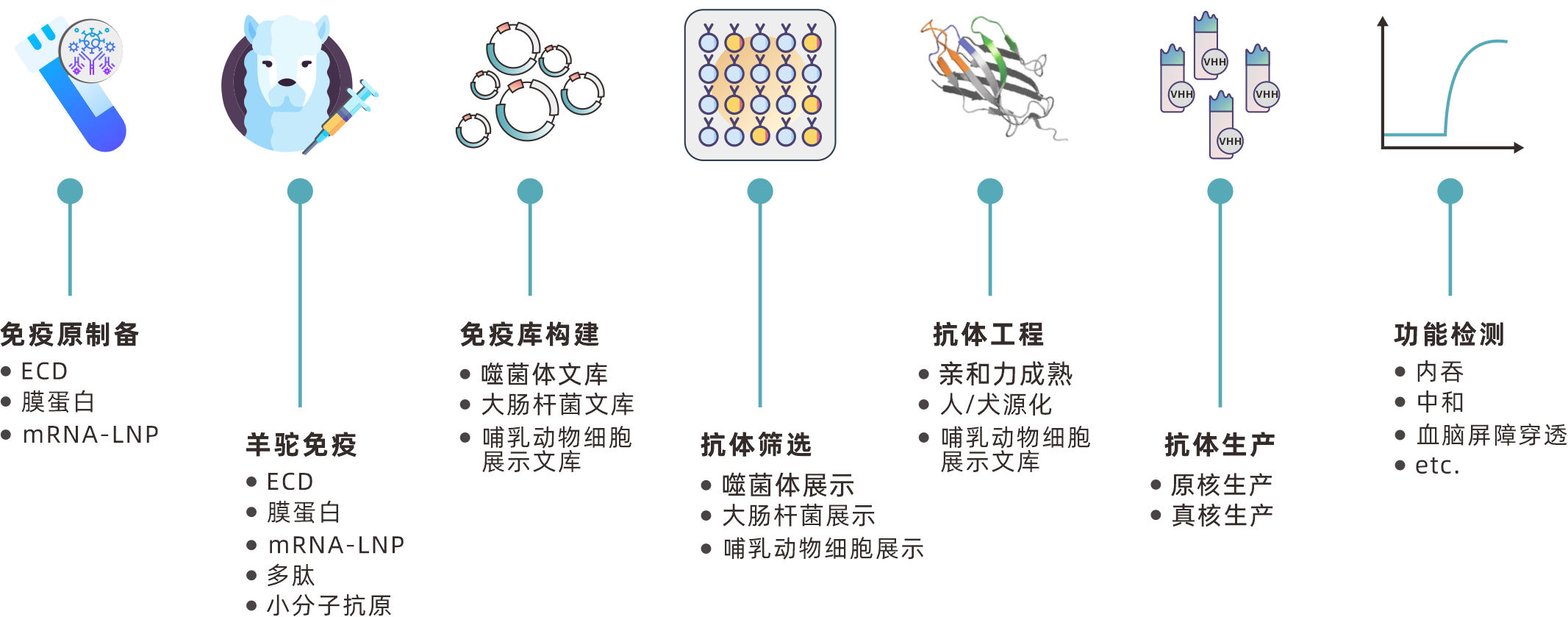
Nabo's life mammalian cell display technology enables the screening of the entire spectrum of configurations and possesses a naturally robust quality control system. It can be applied in various research scenarios and provides high-quality antibody expression services for numerous research institutions and biopharmaceutical enterprises. The specific service process is shown in the following figure:
Case Presentation
Application Scenario 1: Antibody Discovery - Balancing Affinity and Specificity
The extracellular domains of CD16a and CD16b are highly homologous, with only 6 scattered amino acids differing. Nanobodies with high affinity for CD16a but not binding to CD16b were obtained through screening based on the display of antibodies in mammalian cells.
Application Scenario 2: Emotional Maturity
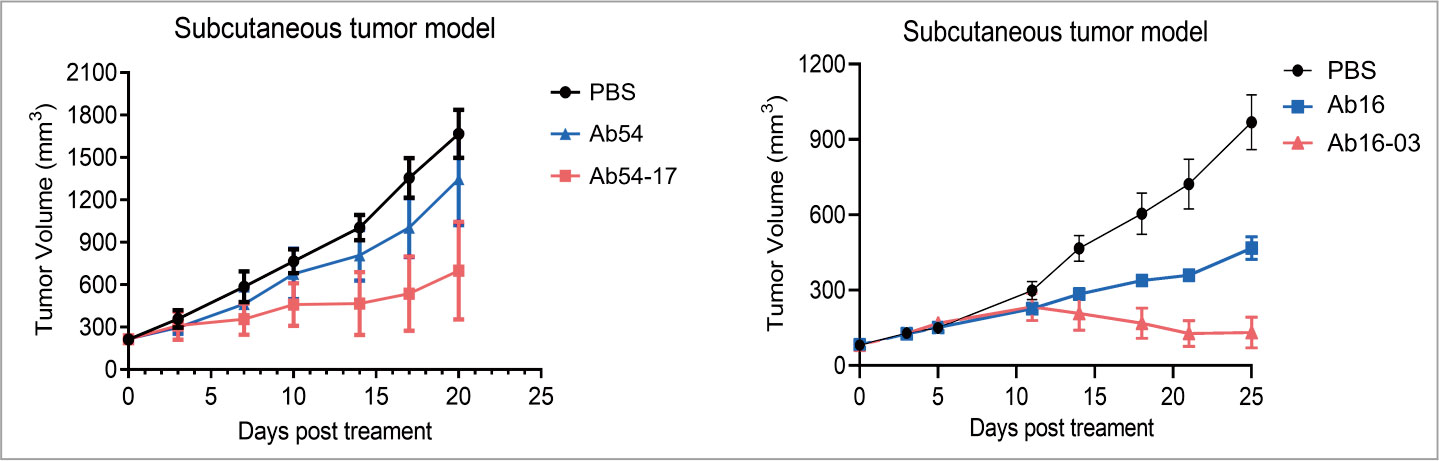
By mutating one amino acid in the CDR3 region, the affinity of this monoclonal antibody can be significantly enhanced.

The mutated monoclonal antibody enhanced the affinity for the target antigen while retaining the affinity for human antigens.

The mutated monoclonal antibody enhanced the affinity for the target antigen while retaining the affinity for human antigens.
Application Scenario 3: Humanization
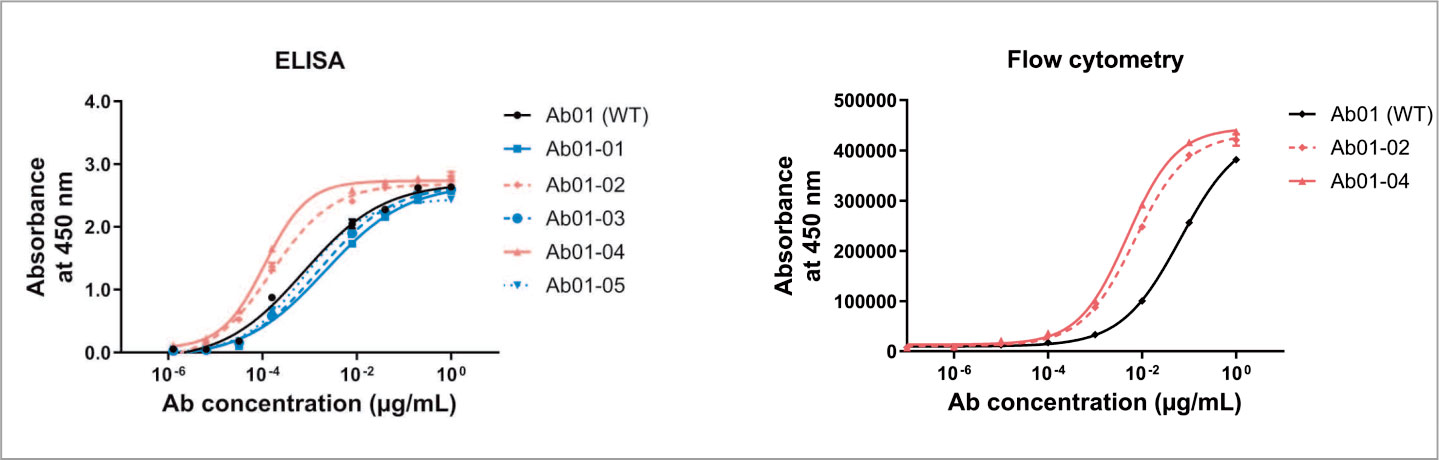
By screening high-affinity molecules from the humanized antibody library, it is ensured to maintain and enhance the affinity of the humanized molecules.
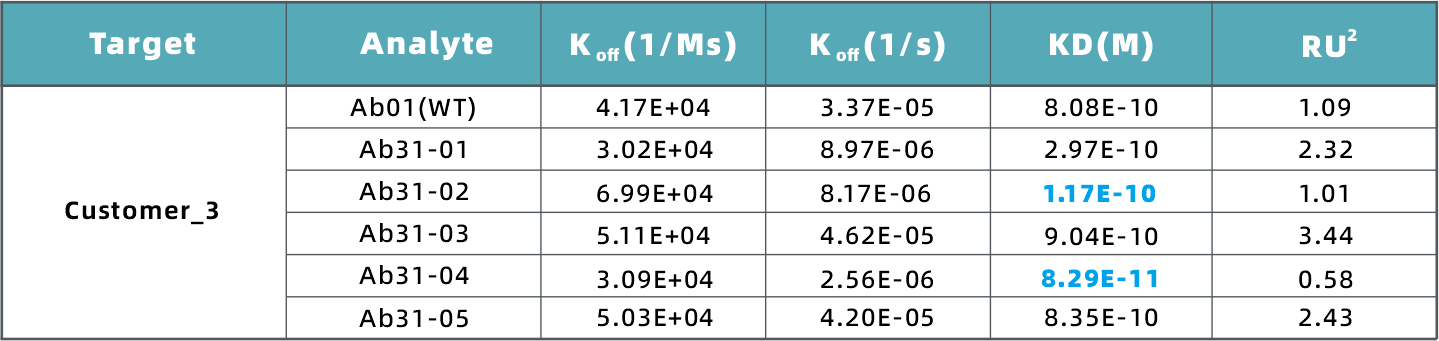
The antigen binding capabilities of the parental molecules and the modified molecules were compared through ELISA and flow cytometry.
Application Scenario 4: Canine Sourceing
The mammalian cells demonstrated the maintenance of the antibody affinity after canineization.

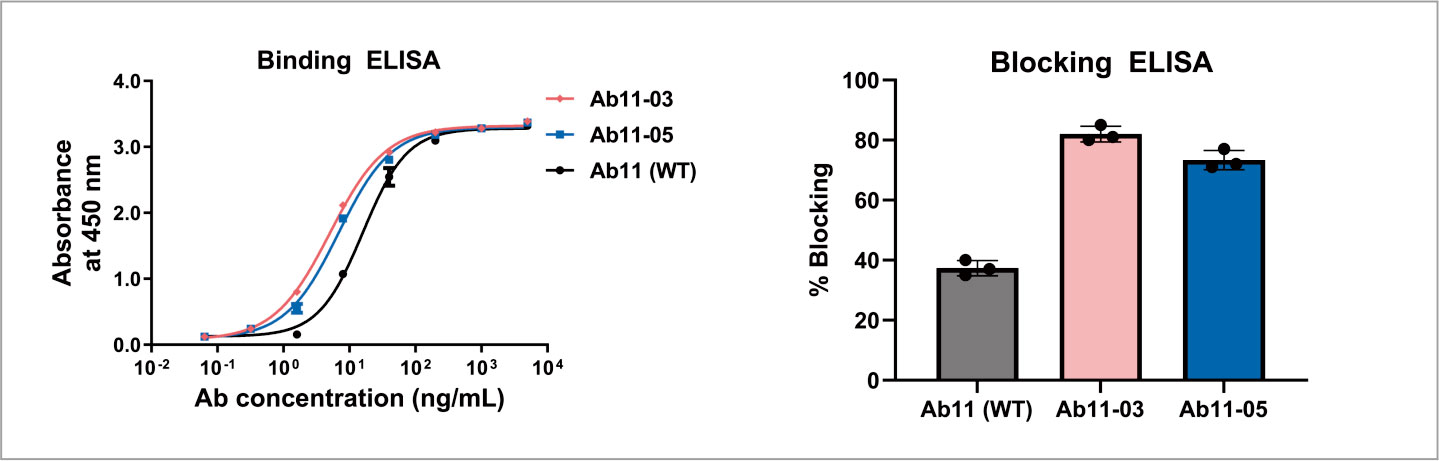
Application Scenario 5: Optimization of Antibody Biological Functions (Neutralizing Activity)
The antibodies that have been optimized through affinity maturation have achieved an enhanced affinity for the target and improved neutralizing activity.
Naboo Life focuses on the development, modification and application of nanobodies, and has a breeding base of alpacas that meets the standards for laboratory animals as well as an independent laboratory base. It is committed to building an integrated experimental public service platform for industry, academia and research. We hope to provide more professional and cost-effective experimental services for a wide range of biological research institutions, pharmaceutical research and development enterprises, and innovation teams. At the same time, Naboo Life is also conducting research and development on the nanobodies mentioned in the text. We welcome all researchers from various fields to communicate and contact us.
For more service details, please follow the Nabo Life official account or call the official hotline 400-822-9180 for consultation!