Knowledge Sharing

FZD4 Target: The Next

FZD4 Target: The Next

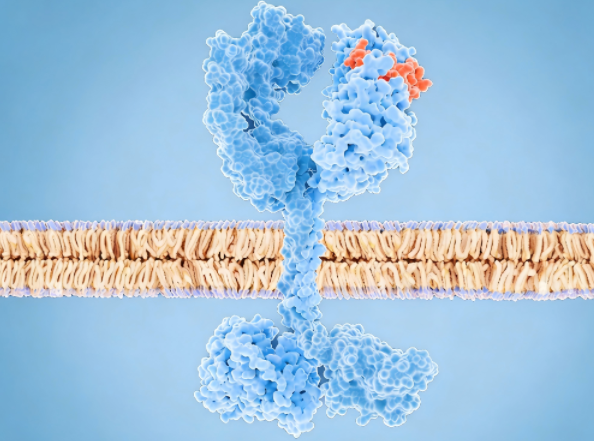
Current FEVR treatments (laser, surgery) only relieve complications without correcting fundamental vascular developmental defects, and causal therapies are absent. In 2024, Boehringer Ingelheim licensed the FZD4 agonist SZN-413 for up to $599 million, validating the target and opening a new direction for ophthalmic disease therapy. We next introduce the FZD4 target
Read More...
Nanobody immunology expert Jo Van Ginderachter joins Xi’an Jiaotong University.

Nanobody immunology expert Jo Van Ginderachter joins Xi’an Jiaotong University.

The appointment ceremony was held at Xi’an Jiaotong University Health Science Center, where Professor Jo Van Ginderachter (Vrije Universiteit Brussel, tumor microenvironment immunity) was appointed Visiting Professor. Belgian nanobody pioneer Professor Serge Muyldermans, Professor Zhang Baogen, Professor Wen Yurong, Dr. Wu Shuang, Dr. Zhang Mingru, and faculty and student representatives attended the ceremony.
Read More...
Breaking the Undruggable Barrier: Nanobody PROTACs Enable Novel Therapy for YAP-Driven Cancers

Breaking the Undruggable Barrier: Nanobody PROTACs Enable Novel Therapy for YAP-Driven Cancers

Yes-associated protein (YAP) is an oncoprotein that exists in an inactive form in the cytoplasm. As a key effector of the Hippo signaling pathway, it plays a central role in cell proliferation and differentiation regulation. Its abnormal activation drives tumorigenesis and is closely associated with tumor malignancy, recurrence, metastasis, and chemotherapy resistance.
Read More...
NBLST CD19 Immune Library: Facilitating Drug Research for B Cell-Related Diseases

NBLST CD19 Immune Library: Facilitating Drug Research for B Cell-Related Diseases

CD19 is a B cell‑specific type I transmembrane glycoprotein of the immunoglobulin superfamily, expressed throughout B cell development but lost in plasma cells. It forms a co‑receptor complex with CD21/CD81 to boost BCR signaling, activating Lyn and downstream molecules, lowering B cell activation threshold and enhancing immune responses.
Read More...
From Clinical Application of the c-MET Target to Nanobody Drug Development

From Clinical Application of the c-MET Target to Nanobody Drug Development

c-MET, a receptor tyrosine kinase encoded by the MET proto-oncogene, is activated by HGF. It regulates cell proliferation, migration and tissue repair under normal conditions. Aberrant activation from mutations, amplification or exon 14 skipping drives tumor progression, metastasis and resistance to EGFR-targeted therapies.
Read More...
NBLST Immune Library: Empowering TSLP Antibody Drug Development-nbs

NBLST Immune Library: Empowering TSLP Antibody Drug Development-nbs

TSLP is a pleiotropic cytokine mainly secreted by epithelial cells, fibroblasts and mast cells. It acts on dendritic, T and B cells to promote activation, differentiation and proliferation, induce Th2 cytokines, and activate JAK-STAT signaling. TSLP drives Th2 immune responses and is critical in immune regulation, inflammation and disease progression.
Read More...
NBLST Immune Library: Facilitating CD5 Therapeutic Drug Research

NBLST Immune Library: Facilitating CD5 Therapeutic Drug Research

CD5 is a key scavenger receptor family transmembrane glycoprotein that negatively regulates TCR/BCR signaling to maintain immune tolerance. It promotes tumor cell survival via NF-κB and PI3K/Akt pathways. Predominantly expressed on T cells and some immune subsets but absent in normal stem cells and solid tissues, CD5 enables highly specific targeted therapy with minimal off-target effects.
Read More...
PD-1 Nanobodies and Off-the-Shelf Immune Library

PD-1 Nanobodies and Off-the-Shelf Immune Library

PD-1 is a key immunosuppressive receptor on immune cells that inhibits activation via PD-L1/PD-L2. It prevents autoimmunity under normal conditions but mediates tumor immune escape when hijacked by cancer cells. Abnormal PD-1 signaling also contributes to autoimmune diseases by suppressing immune clearance of abnormal self-cells.
Read More...
Nanobodies Reveal Angiotensin Receptor Activation Mechanism, Advancing GPCR Structural Research

Nanobodies Reveal Angiotensin Receptor Activation Mechanism, Advancing GPCR Structural Research

GPCRs are key membrane signal-transduction proteins regulating diverse physiological functions. AT1R is critical for blood pressure and cardiovascular health. The activation mechanism of peptide-binding GPCRs like AT1R has long been a bottleneck. Using synthetic nanobodies, researchers resolved this issue, with results published in Cell, advancing GPCR research and drug development.
Read More...
Off-the-Shelf Nanobody Immune Library Empowers Anti-Cancer Therapy: CD7 and Immune Cell Targeting

Off-the-Shelf Nanobody Immune Library Empowers Anti-Cancer Therapy: CD7 and Immune Cell Targeting

CD7 is a transmembrane glycoprotein mainly expressed on T cells, NK cells and their precursors. It is highly upregulated in hematologic malignancies including T-ALL and lymphomas. As an immunoglobulin superfamily member, CD7 mediates T-cell activation, adhesion and signaling, and serves as a key marker for T-cell malignancies. Its specific and stable expression makes it an ideal target for novel immunotherapies.
Read More...