Knowledge Sharing

The Once-Irreversible Progression of Tissue Fibrosis May Come to an End

The Once-Irreversible Progression of Tissue Fibrosis May Come to an End

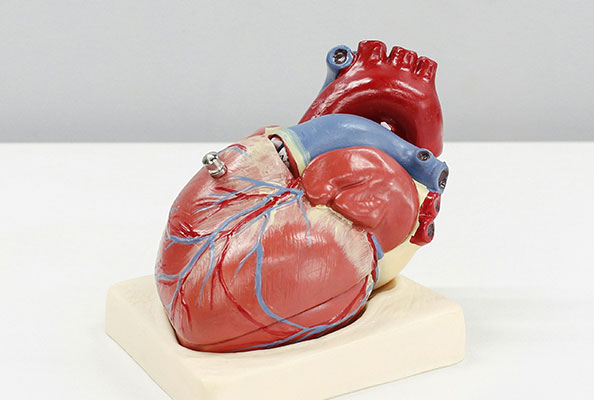
The main pathological feature of tissue fibrosis is the excessive proliferation of fibrous connective tissue in organ tissues, accompanied by a reduction in parenchymal cells, resulting in tissue lesions. If this condition progresses continuously without intervention, it can lead to structural damage and functional decline of organs, and in severe cases, even death [1].
Read More...
Nanobodies May Hold Promise for a Radical Cure of Psoriasis

Nanobodies May Hold Promise for a Radical Cure of Psoriasis

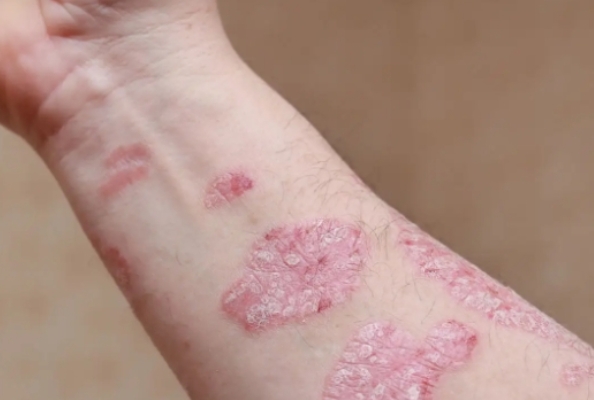
Modern medicine holds that psoriasis is a chronic skin disease caused by multiple factors such as genetic and environmental factors. Similar to lupus erythematosus mentioned earlier in some aspects, it involves immune - mediated factors, which play a crucial role in the occurrence and development of psoriasis.
Read More...
Prospect of Nanobody Transdermal Drug Delivery Technology

Prospect of Nanobody Transdermal Drug Delivery Technology

Owing to its multiple advantages, nanobodies have been widely applied and studied in the field of biological research. Beyond the mainstream research directions, they also hold great potential in the fields of food safety and agricultural development. Nowadays, this technology is gradually being applied to research in the field of transdermal drug delivery.
Read More...
Exploring Bispecific Nanobodies: The Future Hope for Cancer Therapy

Exploring Bispecific Nanobodies: The Future Hope for Cancer Therapy

Recently, Ivonescimab Injection, independently developed by Akeso-Sino Biopharmaceutical Co., Ltd. and the world's first of its kind, has been officially approved for marketing. Combined with chemotherapy, Ivonescimab Injection is expected to provide a brand-new and highly effective immunotherapeutic regimen for patients with locally advanced or metastatic non-squamous non-small cell lung cancer.
Read More...
Nanobodies: The Future Hope for Prevention and Treatment of Infectious Diseases

Nanobodies: The Future Hope for Prevention and Treatment of Infectious Diseases

Pathogenic microorganisms cause various infectious diseases. Major outbreaks like Ebola, COVID-19, and malaria threaten human health and trigger social crises, driving the search for simpler, more effective treatments. Controlling infection sources, blocking transmission, and protecting vulnerable groups are key to prevention and control.
Read More...
Application Research of Nanobodies in Animal Husbandry

Application Research of Nanobodies in Animal Husbandry

Since their discovery, nanobodies have been widely applied in fields such as tumor/neurological disease research and imaging diagnosis. In recent years, researchers have gradually expanded their application to more domains, including food safety and environmental hygiene testing. Recently, researchers have conducted studies on the application of nanobodies in animal husbandry.
Read More...
The development of new strategies for treating mental illnesses shows promise!

The development of new strategies for treating mental illnesses shows promise!

Social development is closely linked to the labor force. Workers contribute wisdom, skills, and efforts, driving progress in science, technology, and culture. With technological and cultural advancement, people’s lifestyles are constantly changing. Rapid social development has led modern people to pursue a more structured and efficient life. Yet, the neglect of spiritual needs has resulted in a sharp rise in the incidence of mental health problems.
Read More...
Exploration of Targeted Immobilization Techniques Based on Nanobody Technology

Exploration of Targeted Immobilization Techniques Based on Nanobody Technology

Directed immobilization technology immobilizes target molecules or substances on specific sites or carriers via dedicated methods and materials. It is widely applied in biomedicine, materials science, and environmental monitoring. This technology can effectively improve detection efficiency, reduce workload and research costs, and has been widely adopted and studied as an efficient strategy in various scientific fields.
Read More...
Future Prospects of Nanobody Drugs for Helicobacter pylori

Future Prospects of Nanobody Drugs for Helicobacter pylori

Nanobodies are promising tools for targeted detection and clinical therapy. Current research on Helicobacter pylori (HP) targeting mainly focuses on peptides, scFv, yolk antibodies, and monoclonal antibodies. Although nanobodies have high affinity, good stability, low immunogenicity, small size, and easy modification, effective HP-targeted nanobody drugs have not been well developed.
Read More...