
Solid tumor immunotherapy still faces core bottlenecks such as the tumor microenvironment barrier, insufficient NK cell infiltration, and the high difficulty of target druggability. CLEC12B, as an inhibitory C-type lectin receptor on the surface of NK cells, mediates immune evasion of tumor cells from NK cells, and is a potential target for activating the anti-tumor function of NK cells. Existing IgG antibodies have large molecular weights and poor tumor tissue penetration; peptides have weak stability and short in vivo half-lives; small molecules have difficulty precisely blocking protein-protein interactions. All of these fail to fully unleash the therapeutic potential of the CLEC12B target, and there is an urgent need for a new generation of antibody molecules to break through technical limitations.
Compared with traditional IgG, peptides, and small molecules, targeting CLEC12B nanobodies possess multiple differentiated advantages. Nanobodies have a molecular weight of about 15 kDa, only 1/10 that of IgG, enabling penetration of dense solid tumor stroma and enhancing tumor-site accumulation; they tolerate a broad pH range of 2–11, exhibit excellent thermal stability, can be efficiently expressed in prokaryotic systems, and are convenient for genetic engineering to construct bispecific and fusion protein molecules. Traditional IgG is limited by steric hindrance and struggles to bind cryptic epitopes in the extracellular region of CLEC12B; the long CDR3 loop of nanobodies can recognize groove-type epitopes, achieving efficient blockade of the inhibitory receptor and compensating for the epitope recognition shortcomings of large-molecule antibodies; compared with peptides, their in vivo half-life can be controllably extended via Fc fusion, avoiding the defect of peptides being easily degraded by proteases.
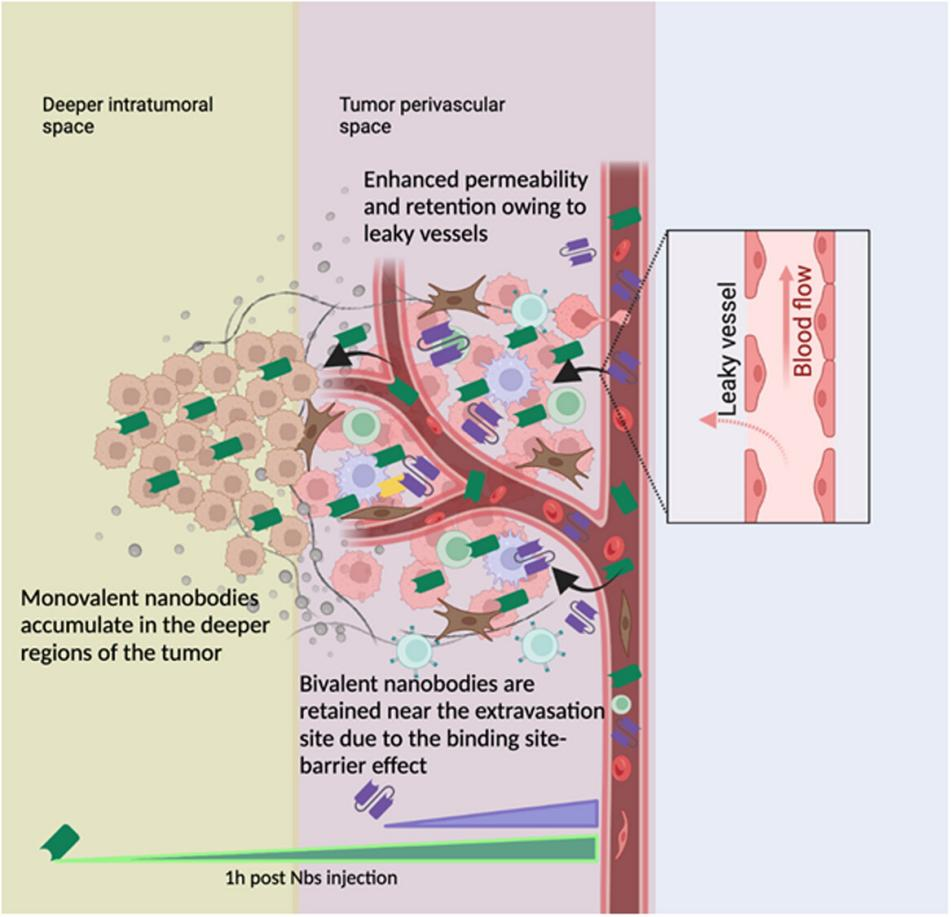
Figure 1. Nanobodies exhibit better tumor infiltration.
Published in vitro and humanized mouse model data show that the screened anti-CLEC12B nanobodies can achieve a KD of 21.4 nM; at the cellular level, after blocking the inhibitory signal mediated by CLEC12B, the killing efficiency of NK cells against tumor cells increased from 27.3% to 62.8%; in solid tumor xenograft models, the tumor growth inhibition rate of the nanobody treatment group was 54.1%, significantly better than the 35.6% of the same-target IgG group; after combination with a PD-1 inhibitor, the tumor inhibition rate increased to 71.2%, and the survival time of mice was significantly prolonged. The IC50 of the control small-molecule candidate compound was only 1.2μM (an internal screening control compound reported in the literature, not a public competitor pipeline), and its blocking activity was far lower than that of the nanobody molecule.
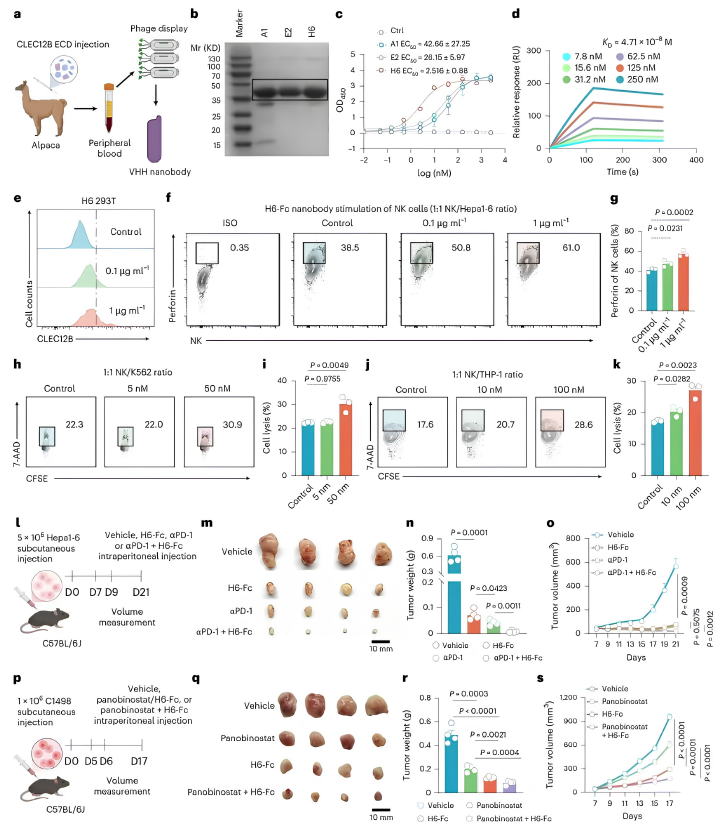
Figure 2. Anti-CLEC12B nanobody treatment inhibits tumor progression.
Based on the unique molecular properties of targeting CLEC12B nanobodies, in addition to single-target Fc-fusion antibodies, multiple implementable R&D pipeline directions can be derived:
1. NK Cell Checkpoint Monotherapy and Combination Therapy
H6-Fc-type nanobody Fc-fusion molecules can be used as monotherapy for solid tumors such as liver cancer, colorectal cancer, and melanoma; in combination with PD-1/PD-L1 antibodies and TIGIT antibodies, they reverse immune checkpoint resistance and improve the immune microenvironment of "cold tumors".
2. Development of Bispecific/Multispecific Nanobody Molecules
Construct CLEC12B×tumor antigen bispecific domain nanobodies to simultaneously relieve NK cell inhibition and guide NK cells to specifically bind tumor cells, further improving tumor targeting and reducing off-target risk.
3. Supporting Reagents for NK Cell Ex Vivo Cell Therapy
During the ex vivo expansion of CAR-NK and primary NK cell culture stages, pretreatment with anti-CLEC12B nanobodies relieves NK cell exhaustion and enhances post-infusion in vivo anti-tumor activity, serving as an adjuvant molecule for cell therapy.
4. Development of Companion Diagnostic Probes
Leveraging the high penetration advantage of anti-CLEC12B nanobodies, develop immunofluorescence and PET tracing probes to detect the proportion of exhausted NK cells in tumor tissues, for patient stratification and screening of target populations that can benefit from CLEC12B-targeted drugs.
5. Exploration of ADC Conjugate Molecules
Nanobodies serve as targeting vectors, conjugated with immunomodulators, to be delivered specifically to intratumoral exhausted NK cells, locally reprogramming the immune microenvironment.
The track of NK cell inhibitory receptors represented by the CLEC12B target is filling the gap in solid tumor treatment that traditional T-cell immunotherapy cannot cover. However, the target naturally presents solid tumor penetration challenges, and traditional IgG molecules struggle to exert efficacy; nanobodies, with their core advantages of small molecular weight, strong tissue penetration, and ability to recognize cryptic epitopes, have become the most suitable technical route for this target.
Currently, global pipelines are still in the early preclinical stage, with a loose competitive landscape and significant first-mover advantage. For pharmaceutical companies and research institutes, rapidly obtaining high-quality functional anti-CLEC12B nanobody sequences, completing molecular humanization, and screening PCC candidate molecules are key to seizing the lead in this target track.

Nanobody Full-Spectrum Customized Services byNBLST
NBLST is a nanobody industry platform initiated and established by Wuhan Industrial Innovation and Development Institute. It owns an independent laboratory covering 1,400 square meters at the Precision Medicine Industrial Base of Wuhan National Bioindustry Base. Meanwhile, it has set up an alpaca experimental base and a transit base compliant with laboratory animal standards in Zuoling, Wuhan and Tuanfeng, Huanggang respectively. At present, the bases house more than 200 alpacas in total, and can provide alpaca immunization services with "zero immune background" guarantee for research institutions and antibody drug R&D enterprises.
NBLST focuses on the research, development, engineering and application of nanobodies, and is committed to building an integrated industry-university-research public experimental service platform. The company has established a full-chain technology platform covering antigen preparation (polypeptides, proteins and RNA), antibody discovery and engineering modification, as well as biological function validation and screening. Among these, its RNA antigens include sequence- and structure-optimized RNA products suitable for alpaca immunization.Based on the proprietary NabLib® platform, the company employs the improved pDual bifunctional phage display technology. While retaining the high-efficiency development advantages of traditional phage display, this technology enables seamless connection with high-level expression in mammalian cells, significantly improving the efficiency of eliminating problematic molecules. Its NabLib® mammalian cell display technology not only enhances the developability of antibody molecules, but also allows flexible selection of screening formats, providing reliable support for downstream antibody applications and detection.Through the synergistic complementation of multiple platforms, the company provides flexible and efficient antibody discovery and engineering services for pharmaceutical companies and research institutions, supporting the development of innovative drugs and diagnostic reagents.
Contact Us:
Tel: 400-822-9180
Email: marketingdept@nanobodylife.com
Disclaimer
This article is solely for sharing frontier scientific research information in pharmacology and immunology, and does not constitute any investment or drug development advice; all data are from public literature and patents, and the clinical value of the drugs remains to be confirmed by further clinical research.
References (GB/T 7714-2015)
[1] Peng S, Xu X Y, Bian H, et al. Targeting NK cell CLEC12B enhances cancer immunotherapy[J].Nature Immunology, 2026. https://doi.org/10.1038/s41590-026-02471-0
[2] University of Science and Technology of China. A single-domain antibody targeting CLEC12B and its application: CN117304320A [P]. 2024-12-17.
[3] USTC News. USTC identifies a novel immune checkpoint for NK cells, and nanobodies targeting CLEC12B open new avenues for cancer immunotherapy [EB/OL]. (2026-05-12)[2026-08-11]. http://news.ustc.edu.cn/info/1055/94924.htm.