

On June 11, 2026, Alphamab Oncology announced the Phase III results of its HER2 bispecific antibody in first-line breast cancer: Anbenitamab (KN026) in combination with albumin-bound docetaxel met the primary endpoint of progression-free survival (PFS) in study KN026-003, which enrolled patients with HER2-positive advanced breast cancer. The antibody is now poised to file for marketing approval, marking a major breakthrough for a China-developed large-molecule therapy in the first-line treatment of solid tumors.
Background
HER2-positive breast cancer accounts for approximately 20%–25% of all breast cancers and is associated with high malignancy; tumor growth is driven primarily by HER2 pathway signaling. Conventional trastuzumab monotherapy is prone to acquired resistance and offers limited efficacy. Bispecific antibodies recognize two distinct epitopes simultaneously, achieving dual blockade of oncogenic signaling while recruiting immune cells to eliminate tumor cells, making them the mainstream direction for upgrading HER2 therapy. The clinical success of KN026 provides strong evidence that dual-epitope synergistic targeting is superior to conventional monospecific antibodies, reinforces the clinical value of multispecific antibodies in solid tumors, and bolsters confidence in the domestic bispecific antibody industry.
HER2 Target in Depth: Why Multispecific Antibodies Can Reshape the Treatment Landscape
Structure of HER2
Human epidermal growth factor receptor 2 (HER2/ERBB2) belongs to the receptor tyrosine kinase family and is localized on the tumor cell membrane. It is expressed at low levels in normal human tissues but frequently exhibits gene amplification and protein overexpression in malignant tumors. Upon activation, HER2 constitutively initiates multiple pro-proliferative pathways, including RAS/RAF and PI3K/Akt signaling, driving tumor proliferation, metastasis, and chemotherapy resistance. HER2 is a well-established therapeutic target across multiple cancer types, including breast, gastric, and lung cancer.
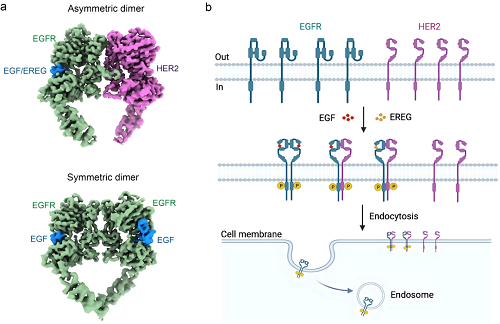
Figure 1. Structure of HER-2 (Source: School of Life Sciences)
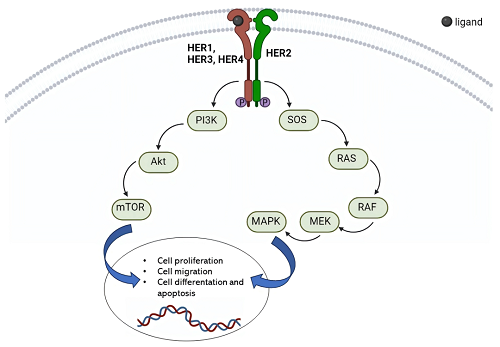
Figure 2. HER-2 signaling pathway (Source: Cavallaro P, et al. Nanomaterials. 2023)
Limitations of Conventional Monoclonal Antibodies
Trastuzumab, the first-generation anti-HER2 monoclonal antibody, binds only to domain IV of the HER2 extracellular region and can only block signaling at a single site. Extensive clinical data show that approximately 30% of patients do not respond to initial treatment, and more than half develop resistance within one year of treatment. The underlying mechanisms include epitope masking, conformational mutations of the receptor, and compensatory activation of bypass signaling pathways.
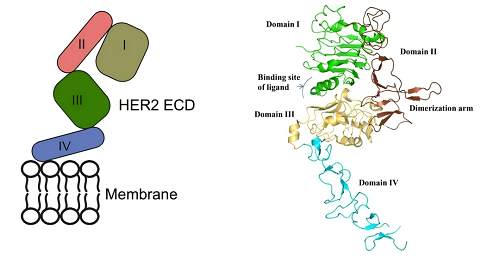
Figure 3. Structure of HER-2 (Source: health.baidu.com)
Core Advantages of Bispecific Synergy
As a HER2 bispecific antibody, KN026 simultaneously recognizes two completely independent epitopes located in domains II and IV of the HER2 extracellular region. This dual binding more thoroughly inhibits HER2 homodimerization and heterodimerization, cutting off proliferative signaling at its source. Cross-linking of the two epitopes also promotes internalization and degradation of HER2 receptors, substantially reducing the number of active receptors on the cell surface. In addition, KN026 retains an intact Fc region, thereby activating antibody-dependent cellular cytotoxicity (ADCC) and antibody-dependent cellular phagocytosis (ADCP). This dual antitumor mechanism—combining signal blockade with immune-mediated clearance—underlies the significant PFS benefit observed in the Phase III study.
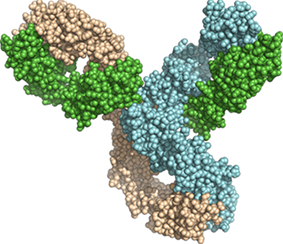
Figure 4. Crystal structure of KN026 (Source: Alphamab Oncology official website)
Globally, multinational pharmaceutical companies such as Roche and AstraZeneca have established extensive pipelines of HER2 bispecific antibodies and ADCs. Competition in this target space has long since shifted from “whether an antibody exists” to a hard-nosed comparison of molecular structure, binding epitope, and druggability. Novel antibody formats featuring smaller molecular weight, greater stability, and more flexible configuration have become the new frontier in drug discovery.
Pipeline Progress
99mTc-ZHER2:41071 (Diagnostic Probe)
Developed by the Tomsk National Research Medical Center of the Russian Academy of Sciences, 99mTc-ZHER2:41071 is a 99mTc-labeled HER2-targeting nanobody SPECT (Single-Photon Emission Computed Tomography) imaging probe currently advancing through Phase II clinical development in Russia. Its core application is the non-invasive detection of HER2 expression levels in breast cancer patients. Leveraging the nanobody’s small size, strong target specificity, and rapid in vivo clearance, the probe accurately identifies tumor tissue and clearly distinguishes HER2-positive from HER2-negative status, thereby supporting patient stratification, treatment selection, and dynamic monitoring of therapeutic response.
RAD202 (¹⁷⁷Lu-RAD202) (Radiotherapy Agent)
RAD202 originates from Radiopharm Theranostics in Australia. It is a ¹⁷⁷Lu-labeled HER2-targeting single-domain nanobody radiotherapeutic agent currently in Phase I clinical development for HER2-positive advanced solid tumors, including breast and gastric cancer. Leveraging the excellent tissue-penetration capability of nanobodies, the agent can penetrate deep into solid tumors to exert radiotoxic killing, while its rapid in vivo clearance effectively reduces radiation accumulation in normal tissues and keeps toxicity manageable. The product embodies a theranostics strategy: the same nanobody sequence can be conjugated to either diagnostic or therapeutic radionuclides, allowing early diagnostic data to directly inform subsequent treatment. It holds promise as an important therapeutic option for HER2-positive advanced tumors after failure of multiple lines of therapy.
Nanobodies serve as the core molecular scaffold of both HER2 radionuclide drugs. Their modular structure and ease of conjugation support the parallel advancement of diagnostic and therapeutic pipelines. Their small size overcomes the poor intratumoral penetration and normal-tissue accumulation toxicity associated with conventional full-length antibodies, while their high specificity ensures targeting precision. Together, these properties address two critical clinical needs—non-invasive classification and monitoring of breast cancer and targeted radiotherapy of resistant advanced solid tumors—and perfectly match the stringent requirements of radiopharmaceuticals for safety, efficacy, and integrated development.
Industry Outlook: Nanobodies Open a Second Growth Curve for HER2-Targeted Therapy
The Phase III success of KN026 demonstrates that dual-epitope synergistic targeting is an inevitable trend in solid tumor therapy. However, the structural bottleneck of full-length IgG molecules remains difficult to overcome. With their unique advantages of modularity, small size, high stability, and multi-configuration adaptability, nanobodies can not only recapitulate the HER2 dual-epitope synergy mechanism but also expand into diverse applications such as T-cell engagers, ADCs, cell therapy, and imaging tracers, making them the core breakthrough direction for next-generation HER2 therapeutics. From the encouraging early human data of a CD5 nanobody CAR-T presented at the ASCO annual meeting to multiple VHH-ADC candidates worldwide advancing into Phase II and III trials, the clinical value of nanobodies has been increasingly validated.NBLST, leveraging its independently developed end-to-end platform, continues to deliver high-quality nanobody candidate molecules to the industry, helping domestic pharmaceutical companies move beyond the constraints of large-molecule structures, build differentiated pipelines across HER2, hematologic malignancies, and solid tumors, and bring China-developed novel antibody drugs onto the global clinical stage.
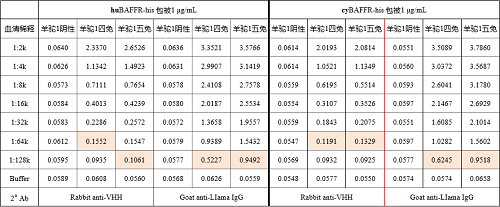
NBLST has launched an off-the-shelf HER2 immune library (ELISA serum titer data are shown in the figure below). After alpaca immunization, we collect whole blood, isolate peripheral blood mononuclear cells (PBMCs), and cryopreserve them as a cell bank. Customers can bypass the time-consuming immunization cycle and proceed directly to screening, substantially shortening antibody development timelines. Through customized screening services, we help you rapidly obtain high-quality antibody molecules best suited to your application.
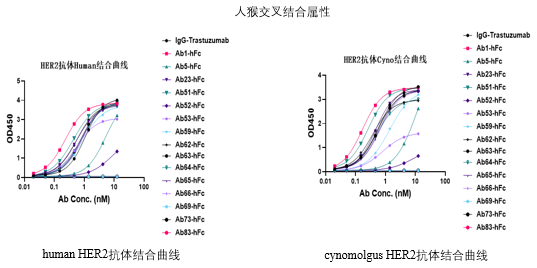
NBLST has accumulated deep project experience in the development of HER-family targets. We can efficiently screen candidate molecules that bind to both human and monkey antigens, delivering high-affinity nanobodies and providing a solid molecular foundation for downstream efficacy evaluation and preclinical research.

Nanobody Full-Spectrum Customized Services byNBLST
NBLST is a nanobody industry platform initiated and established by Wuhan Industrial Innovation and Development Institute. It owns an independent laboratory covering 1,400 square meters at the Precision Medicine Industrial Base of Wuhan National Bioindustry Base. Meanwhile, it has set up an alpaca experimental base and a transit base compliant with laboratory animal standards in Zuoling, Wuhan and Tuanfeng, Huanggang respectively. At present, the bases house more than 200 alpacas in total, and can provide alpaca immunization services with "zero immune background" guarantee for research institutions and antibody drug R&D enterprises.
NBLST focuses on the research, development, engineering and application of nanobodies, and is committed to building an integrated industry-university-research public experimental service platform. The company has established a full-chain technology platform covering antigen preparation (polypeptides, proteins and RNA), antibody discovery and engineering modification, as well as biological function validation and screening. Among these, its RNA antigens include sequence- and structure-optimized RNA products suitable for alpaca immunization.Based on the proprietary NabLib® platform, the company employs the improved pDual bifunctional phage display technology. While retaining the high-efficiency development advantages of traditional phage display, this technology enables seamless connection with high-level expression in mammalian cells, significantly improving the efficiency of eliminating problematic molecules. Its NabLib® mammalian cell display technology not only enhances the developability of antibody molecules, but also allows flexible selection of screening formats, providing reliable support for downstream antibody applications and detection.Through the synergistic complementation of multiple platforms, the company provides flexible and efficient antibody discovery and engineering services for pharmaceutical companies and research institutions, supporting the development of innovative drugs and diagnostic reagents.